Guide · Hiring a painter
How to Choose a Painting Contractor in the West Valley
By the Orange Coatings team · Published
Choose a West Valley painter by checking three things first: an active Arizona Registrar of Contractors (ROC) license, proof of insurance, and a detailed written estimate from an in-person visit. Then compare bids on how each one preps and paints stucco, because that is where most Arizona paint jobs succeed or fail.
Price matters, but only after you know every bid covers the same work. This guide covers the checks, the questions and the red flags.
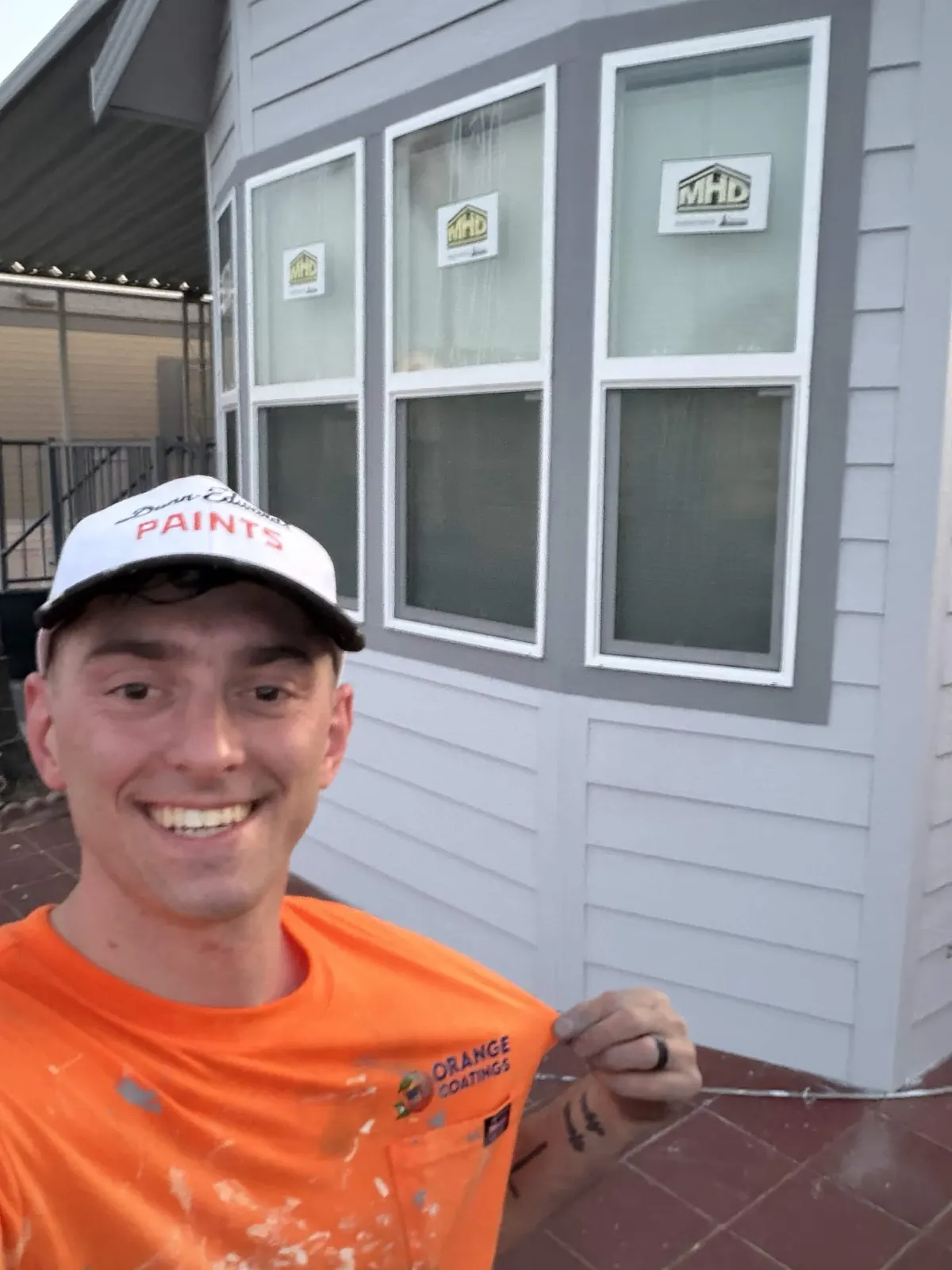
Start with the ROC license
In Arizona, painting for pay generally requires a contractor license from the ROC. Look the company up by name or license number on the ROC's website and confirm the license is active and in the business name on your estimate. Write the license number on your copy of the contract.
There is a narrow handyman exemption under state law, A.R.S. 32-1121, for small, incidental jobs where the total price is under ,000, no permit is needed and the work is not part of a larger project. Anyone relying on it who advertises must state "not a licensed contractor." A whole-house repaint does not fit that exemption. Hiring licensed also matters later: Arizona's Residential Contractors' Recovery Fund only helps homeowners who hired a licensed contractor.
Ask for insurance and bonding in writing
Ask for a certificate of insurance showing general liability coverage, and ask whether the company is bonded. Insurance protects you if a ladder goes through a window or overspray lands on a neighbor's car. If workers are hurt on your property, you want the contractor's coverage dealing with it, not your homeowner's policy.
Orange Coatings holds ROC License 365464 and is licensed, bonded and insured. We can provide a certificate of insurance before work starts.
Insist on an in-person, written estimate
A painter who prices a house from a satellite photo cannot see the cracks, chalking, peeling trim or water damage that change the job. A walkthrough usually takes 30 to 60 minutes, longer for a full exterior. The estimate that follows should be in writing and list:
- Each surface and area included, and anything left out
- Prep steps: washing, scraping, crack repair, caulking, patching
- Primer, where it goes and what product
- Finish product line and sheen for each surface
- Number of coats and how they are applied
- Colors, or how colors will be confirmed
- Start date, expected length and how weather delays are handled
- Payment schedule and what happens if the scope changes
Ask how they prep and paint stucco
Stucco is the main exterior surface on most West Valley homes, and painting it like drywall is a common cause of early failure. A good answer sounds like this: wash off chalk and dirt and let the walls dry, fill hairline cracks and patch larger ones, prime bare or patched stucco with a masonry primer, then apply two full coats sprayed and back-rolled so paint gets into the texture.
Our standard is Sherwin-Williams Loxon masonry primer on bare or patched stucco, then two coats of Emerald Exterior, sprayed and back-rolled. If a bid says one coat or says nothing about primer, ask why.
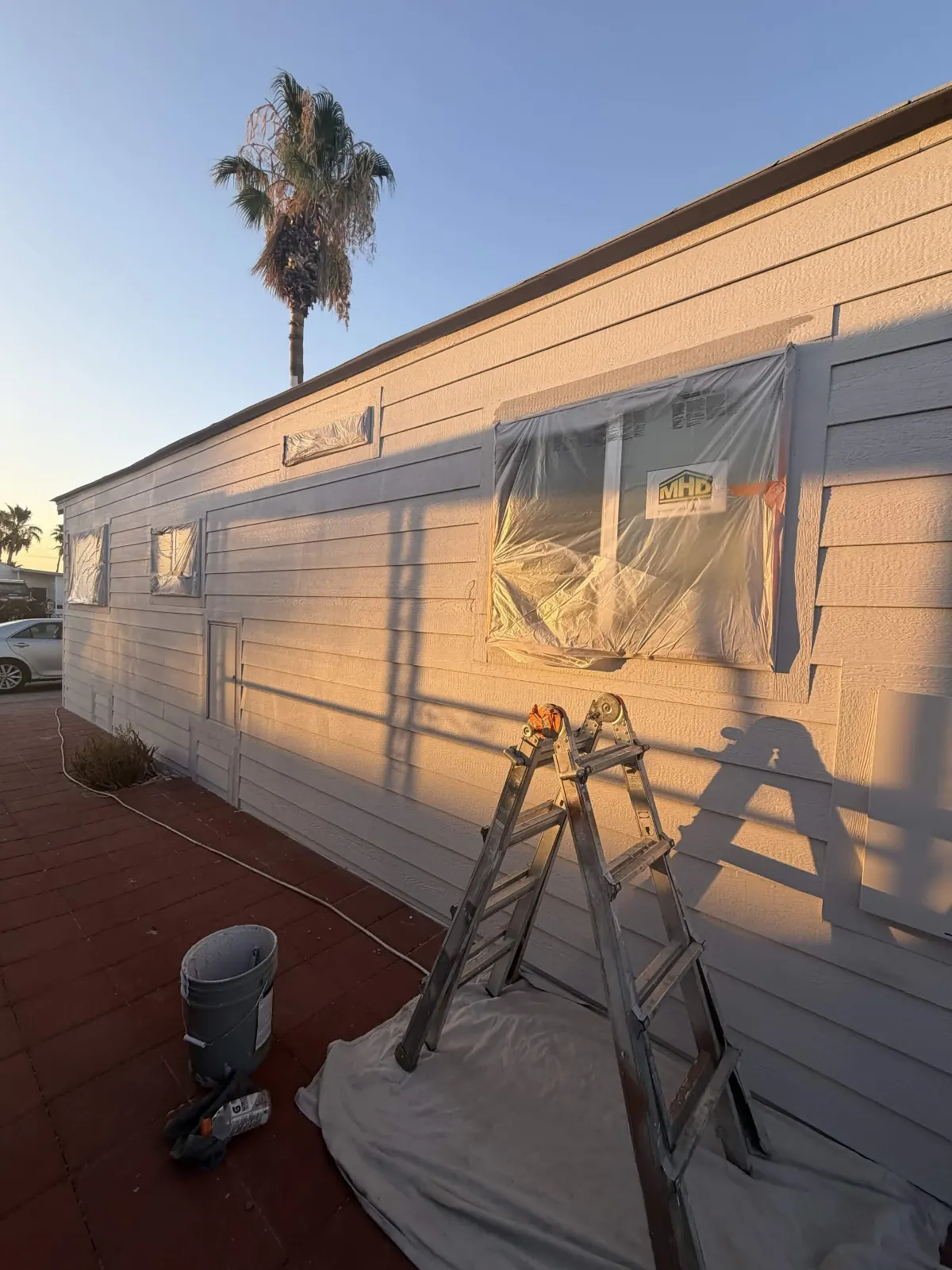
Compare bids line by line
- Lay the estimates side by side and highlight each prep step.
- Circle the product line named in each; a top-tier and a mid-grade paint are not the same price.
- Check the number of coats on each bid.
- Note which bids include trim, doors, block walls, fascia and garage doors.
- Ask the low bidder what they left out compared with the others.
- Only then compare totals.
HOA colors and approvals
Most West Valley neighborhoods have an HOA with an approved palette and a review process. A contractor who works here regularly should know how to pull the palette, match the color codes to the paint brand they use and give you the details for your submittal. Do not let anyone start painting before written approval arrives.
Ask, too, whether the painter will brush out large samples on your wall before the final decision. A color chip under store lights looks very different on stucco in full Arizona sun, and a sample on the actual house is the cheapest way to avoid repainting a wall you dislike.
Questions worth asking any painter
- Who will be on site each day, and who do I call with a question?
- How do you protect windows, plants, floors and furniture?
- What happens if you find wood rot or a stucco problem mid-job?
- How are changes to the scope priced and approved?
- What does the final walkthrough include?
- What is your written warranty, and what does it exclude?
Red flags to walk away from
- No license number on the estimate, or a license in another name
- A price given over the phone without seeing the house
- Pressure to sign today for a special discount
- A large cash payment before any work or materials arrive
- Vague estimates that say "paint house" with no prep or product listed
- Door-to-door offers right after a monsoon storm
- No proof of insurance when asked
Frequently asked questions
- How do I check a painter's license in Arizona?
- Search the company name or license number on the Arizona Registrar of Contractors website. Confirm the license is active and matches the business name on your estimate.
- How many painting estimates should I get?
- Two or three is usually enough to see the range, as long as each bid covers the same scope. More bids help less than one clearly written scope.
- Is the cheapest painting bid ever the right choice?
- It can be, if it includes the same prep, primer, product and coats as the others. Often the low number skips one of those, and that shows up as peeling a few years later.
- Should a painter visit before giving a price?
- Yes. Only an in-person look shows cracks, chalking, peeling and water damage, which all change the work and the price.
- What paint brand should a West Valley painter use?
- Ask which product line they plan to use and why, and make sure it is named on the estimate. We use Sherwin-Williams Emerald, its top tier, on interiors and exteriors.
- Can a handyman paint my house in Arizona?
- Only very small jobs under the state's ,000 handyman exemption, with no permit needed and not part of a larger project. A full repaint calls for a licensed contractor.