Exterior painting · Elastomeric coatings
Elastomeric Wall Coating in Surprise and the West Valley
Published
Elastomeric wall coating is a thick, flexible exterior coating that stretches over hairline cracks in stucco and masonry and keeps wind-driven rain out. It works well on walls with lots of fine cracking, but it is not the right answer for every house, so we look at your walls first and recommend it only where it beats a standard two-coat paint system.
For most stucco homes, our standard system is Loxon masonry primer on bare or patched areas and two coats of Sherwin-Williams Emerald Exterior. Elastomeric is a specialty option for walls that keep cracking, and this page explains when it makes sense.
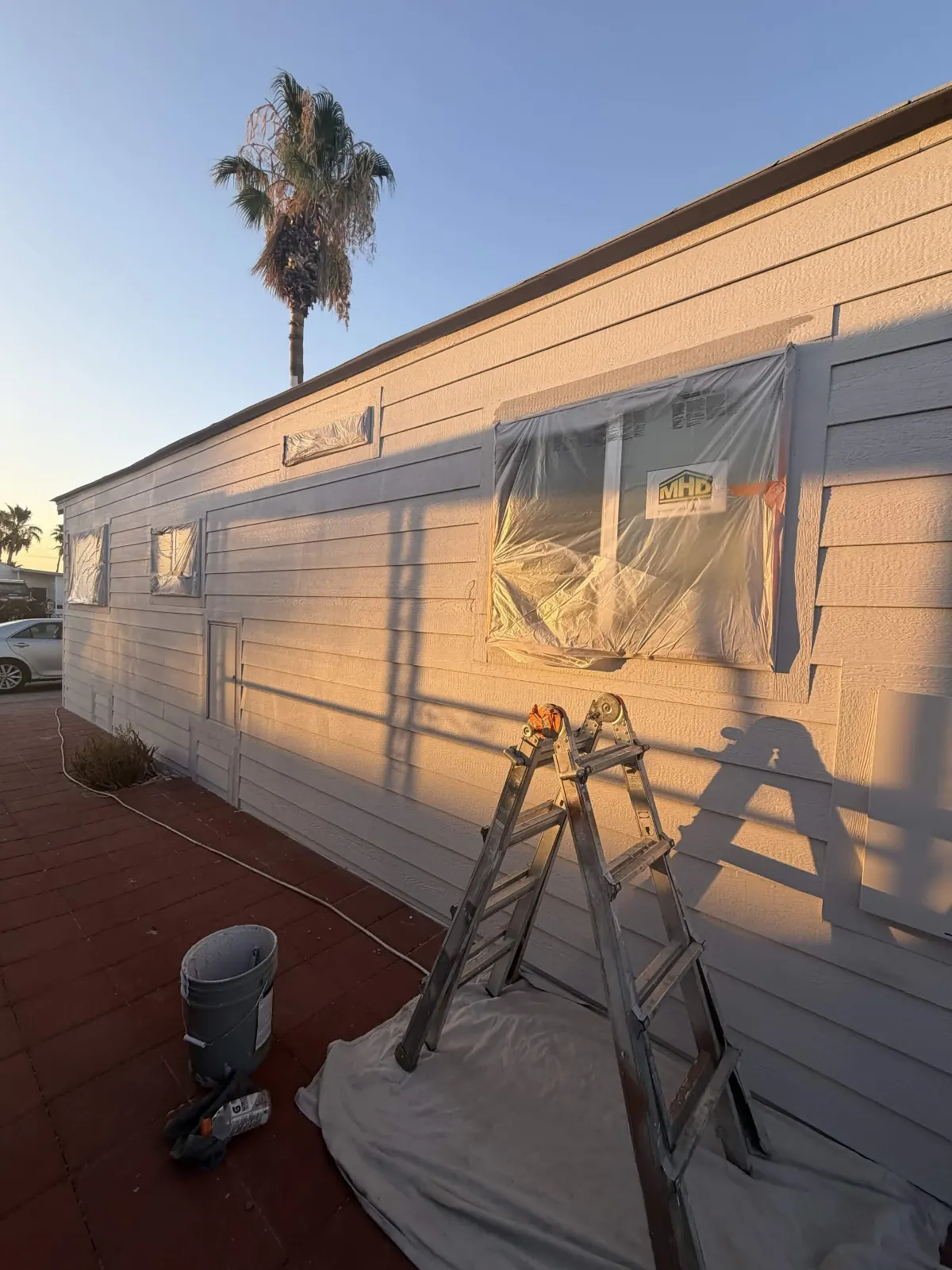
| What it is | A high-build, flexible coating that bridges hairline cracks |
|---|---|
| Best on | Stucco and masonry with widespread fine cracking |
| Prep | Clean, dry walls with larger cracks repaired first |
| Standard alternative | Loxon primer plus two coats of Emerald Exterior |
What an elastomeric coating job includes
- Assessing the cracks, the existing paint and any moisture problems
- Pressure washing to remove dirt, chalk and loose paint
- Drying time, since elastomeric must go on bone-dry walls
- Routing and patching cracks wider than hairline, and caulking with an elastomeric caulk
- Priming bare and patched areas with a masonry primer
- Applying the elastomeric coating at the thickness the product label calls for, usually in two coats
- Back-rolling to work the coating into the stucco texture
Signs your walls may need elastomeric
A few cracks around windows do not call for elastomeric. Those are patched and covered with regular paint just fine.
- A web of fine hairline cracks across large areas of stucco
- Cracks that reopen after each repaint
- Water stains inside on exterior walls after a monsoon storm
- Older block or stucco buildings with many patched cracks
- Commercial or multifamily walls facing heavy wind-driven rain
How elastomeric differs from regular exterior paint
Standard acrylic exterior paint goes on as a thin film. Elastomeric goes on many times thicker and stays rubbery, so it can stretch when the wall moves and bridge a hairline crack instead of splitting along it. That makes it waterproof against rain but less breathable than paint.
The tradeoffs are real. Elastomeric costs more per gallon and covers fewer square feet. It can trap moisture if it goes over damp walls or walls with a water problem behind them, which leads to blistering. In strong heat some products stay slightly soft and can hold dust. And once a wall has elastomeric on it, future repaints have to use a compatible product.
Why stucco cracks in the West Valley
Stucco walls heat up in the afternoon and cool overnight every day for months, and summer highs above 100°F make that swing large. The wall moves a little each cycle, and over the years that movement opens fine cracks, especially at window corners, control joints and where framing members meet.
During monsoon season, from June 15 to September 30, strong winds drive rain sideways into those cracks. Water behind the stucco causes efflorescence and peeling paint, and on block walls it can soak through. Elastomeric is designed to seal that surface while still flexing with the wall.
Our elastomeric application process
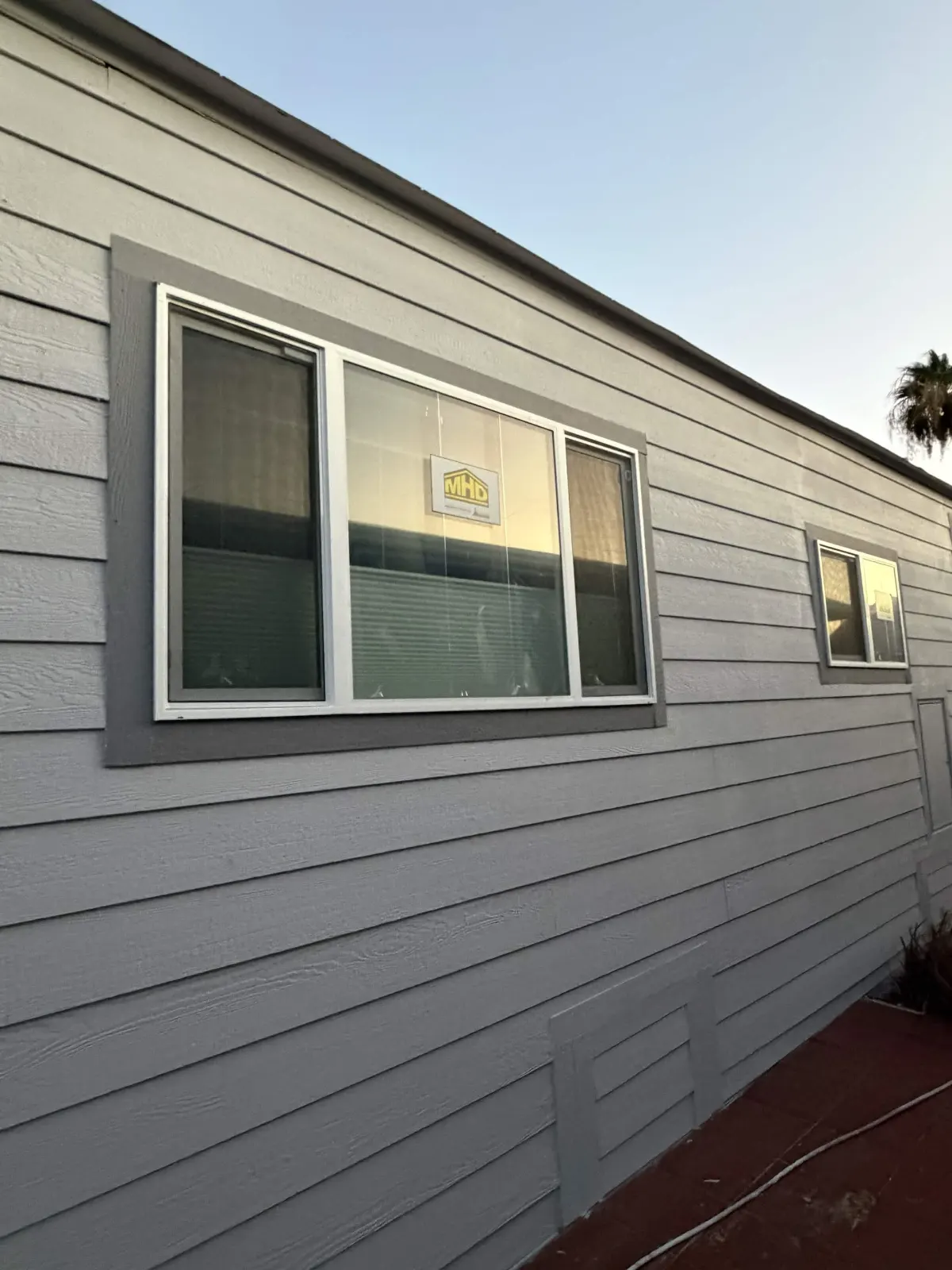
- Inspect walls, test the existing coating's adhesion and look for any active water source.
- Pressure wash and let the stucco dry completely, which may take longer than for regular paint.
- Repair larger cracks and patch damaged stucco, matching the texture.
- Prime bare and patched areas with Loxon masonry primer.
- Mask windows, doors, fixtures and landscaping.
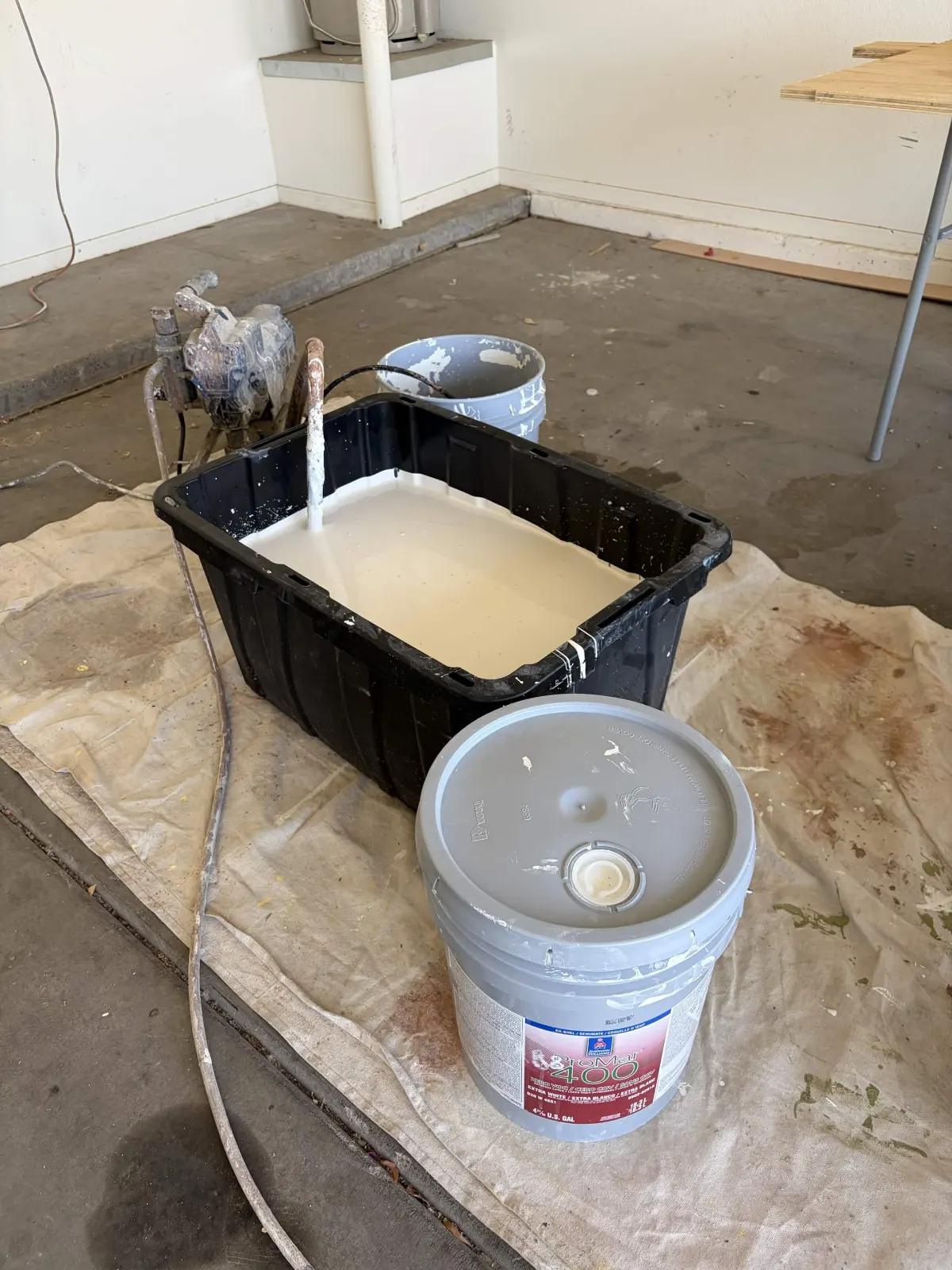
- Spray the elastomeric coating and back-roll it into the texture, building the thickness the label calls for.
- Apply the second coat after the first has dried, then do the final walkthrough with you.
When we recommend it, and when we do not
We suggest elastomeric for walls with widespread hairline cracking, for older stucco and block buildings that leak in storms, and for some commercial and multifamily walls. We usually recommend against it on walls with moisture coming from inside or from irrigation, on homes where the HOA palette or texture look would change noticeably, and on walls that are in good shape where Emerald Exterior will perform well.
We will explain our recommendation at the estimate and put the product and number of coats in the written quote.
What affects time and cost
An elastomeric job takes longer than a regular repaint of the same house because of the extra drying, crack repair and heavier application. Factors that set the price:
- Total wall area and building height
- Number and size of cracks to repair before coating
- Condition of the existing paint and how much needs removal
- Required coating thickness and number of coats
- Access needs, such as lifts on commercial buildings
- Color, since some deep colors are not available in every elastomeric product
Areas we serve
We apply elastomeric coatings on homes, HOA properties and commercial buildings across the West Valley:
Photos
Frequently asked questions
- Does elastomeric coating fix stucco cracks?
- It bridges and seals hairline cracks, but it does not repair structural cracks or wide cracks. Those get routed out and patched before coating, or they will show through.
- Is elastomeric better than regular paint for Arizona homes?
- Not always. It is better for walls with lots of fine cracking or water intrusion. On sound stucco, a primer plus two coats of a top-tier acrylic like Emerald Exterior is usually the better value.
- Can elastomeric cause problems?
- Yes, if it is applied over damp walls or over a moisture problem. Because it is less breathable, trapped water can blister it. That is why the walls must be dry and any water source fixed first.
- Can I go back to regular paint after elastomeric?
- It is possible, but the new paint has to be compatible with the elastomeric base, and the surface needs proper cleaning and primer. Plan on staying with elastomeric or a compatible system long term.
- Does elastomeric change how my stucco looks?
- The thick film can soften fine sand-finish texture slightly. On most knockdown and dash textures the difference is minor once it is back-rolled in.
- Is elastomeric used on commercial buildings?
- Yes, it is common on block and stucco commercial and multifamily buildings where wind-driven rain is a concern. We can schedule commercial work around business hours.
- What is the best time of year to apply elastomeric in Arizona?
- Fall through spring is easiest, because the walls are cooler and there is no monsoon rain. The coating needs dry weather and moderate temperatures to cure, so summer work starts early and stops before the walls get too hot.