Industrial painting · Glendale
Industrial Painting in Glendale, AZ
Published
Orange Coatings repaints light-industrial buildings, flex spaces and business-park warehouses in Glendale, with prep and Sherwin-Williams coating systems matched to steel, block, tilt-up and concrete. Most buildings here have been painted before, often several times, so our first job is finding out what is already on the walls.
We come out for an in-person estimate on the same day you call. We look at the existing coatings, test where we need to, and put the full system in writing before you decide.
| Population | 248,325 (2020 census) |
|---|---|
| Land area | 65.09 square miles |
| ZIP codes | 85301–85312 and 85318 |
| Elevation | 1,152 feet |
| Common jobs | Repaints of shops, flex buildings, business-park warehouses |
| Licensed | Arizona ROC 365464, bonded and insured |
Older corridors and newer business parks
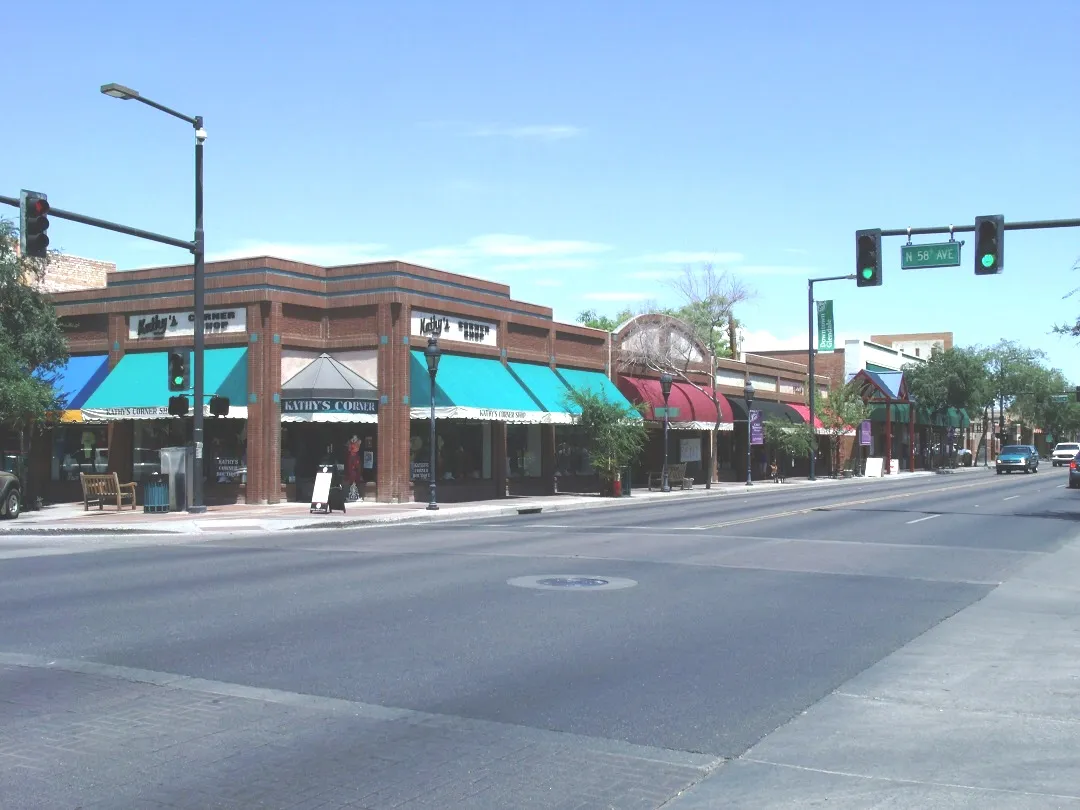
With 248,325 residents, Glendale is one of the largest cities we serve, and it borders Phoenix. Its industrial buildings span several generations: older shops and storage buildings along Grand Avenue and the rail line, and newer business parks closer to the Loop 101, where the city's stadium and Arrowhead Towne Center draw most of the attention.
That age range means two different starting points. Newer buildings often have one or two coats of a known product. Older ones may carry layers going back decades, and those layers decide what can safely go on top.
Repainting over coatings nobody remembers
Putting a strong industrial coating over an old, weak one can make things worse. Some solvent-based topcoats soften older finishes and make them wrinkle or lift, and any new coat is only as strong as the oldest layer underneath it. So on older Glendale buildings, we test before we price.
- Look for peeling, alligatoring and chalk, which point to layers that have lost their bond.
- Run a cross-hatch tape test: score a small grid through the coating, press tape on, pull it, and see how much paint comes off.
- Use a solvent rub on a hidden spot to get a sense of what kind of coating is there.
- Apply a test patch of the proposed primer and finish and check it after it dries.
- Choose between overcoating and removing the old system, based on the results.
Lead in older industrial coatings
Steel and masonry painted before 1978 may have lead in the old layers, and some industrial coatings used it later than that. Sanding, scraping or blasting lead paint creates hazardous dust. If a building is old enough to raise the question, we ask for existing test results or recommend testing before any prep starts.
When lead is present, the prep method and containment change, and so do the schedule and the price. We would rather put that in the estimate than discover it halfway through.
Flex buildings: offices in front, warehouse in back
Many Glendale business-park units have a finished office at the front and an open warehouse behind it. They need two different systems. The office gets Sherwin-Williams Emerald Interior, a low-VOC finish that holds up to cleaning. The warehouse gets coatings chosen for exposed steel, block and concrete, plus a floor system if you want one.
We price both sides in one estimate and schedule the office work for the hours that disturb your staff least.
Coating systems by surface
Mixing systems is where older buildings go wrong. A water-based acrylic over an old oil-based enamel usually needs a bonding primer, and an epoxy or urethane over a soft old finish may lift it. Matching each new layer to what is underneath is most of the value in an industrial repaint.
- Bare or rusted steel: degrease, remove loose rust, rust-inhibiting primer, industrial finish
- Galvanized steel: clean the zinc, then a primer labeled for galvanized metal
- Concrete block: wash, block filler, then finish coats
- Tilt-up panels: wash off chalk and form-release residue, prime bare areas, finish
- Concrete floors: degrease, repair, profile, then a Sherwin-Williams epoxy floor system
- Previously coated surfaces: whatever the adhesion and compatibility tests support
Event days on the west side
If your building is near State Farm Stadium and the surrounding entertainment district, big event days bring road closures and heavy traffic. Lift deliveries, material drops and parking-lot work all go better on a quiet day. We check the event calendar when we build the schedule, which is a small step that saves a lost day.
Floors in shops and storage units
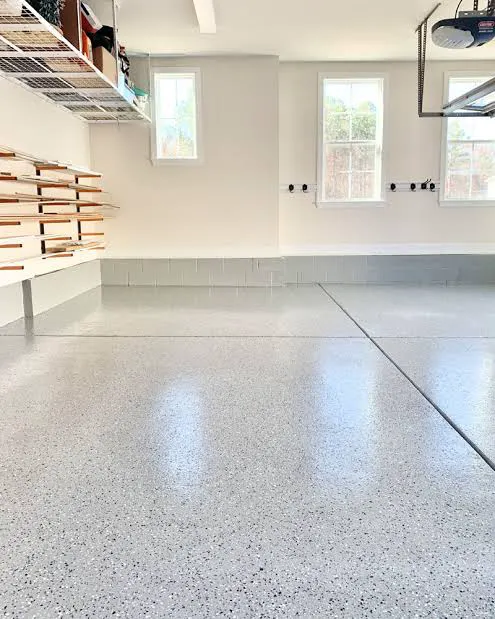
Concrete in older Glendale units has often been sealed, painted or patched by earlier tenants, and epoxy will not bond to most of that. We remove failing floor coatings, clean and degrease, profile the concrete and repair cracks before a Sherwin-Williams epoxy system goes down. Older slabs get a moisture check first.
Photos
Frequently asked questions
- Our Glendale building has been painted many times. Can you just paint over it?
- Sometimes. If the old layers pass an adhesion test and the new coating is compatible, overcoating is fine. If they fail, the loose material has to come off first, or the new paint will peel with it.
- How do you check whether old paint has lead in it?
- We ask whether the building has been tested, and if not, we recommend testing before any sanding or scraping. If lead is found, the prep and containment methods change and the estimate reflects that.
- Can you paint the office and warehouse sides of a flex unit in one job?
- Yes. They get different products, Emerald Interior for the office and industrial coatings for the warehouse, but one estimate and one schedule.
- What does a cross-hatch tape test tell you?
- It shows how well the existing coating is bonded. If most of the grid stays on the wall, the surface can usually be overcoated; if squares pull off, it needs more removal before new paint.
- Will stadium events affect our painting schedule?
- They can if your property is near the stadium district. We plan lift deliveries and lot work around major event days.
- Do older buildings near Grand Avenue need more prep than newer ones?
- Usually. More layers, more sun damage and more patching from past tenants all add prep time. Newer business-park buildings often need only a wash, spot priming and finish coats.
- Can you paint exposed warehouse steel while tenants keep working?
- Yes, in sections. We cover racks and product below the work area, use a dry-fall coating on overhead steel where it suits the space, and keep aisles open around each section.