Safety Risks to Know Before Industrial Painting in Surprise
Industrial painting carries real hazards: solvent fumes, flammable coatings, confined spaces, elevated work, and possible lead paint. Each one needs specific controls in place before the first coat goes on.
Published
Part of our Industrial Painting service.
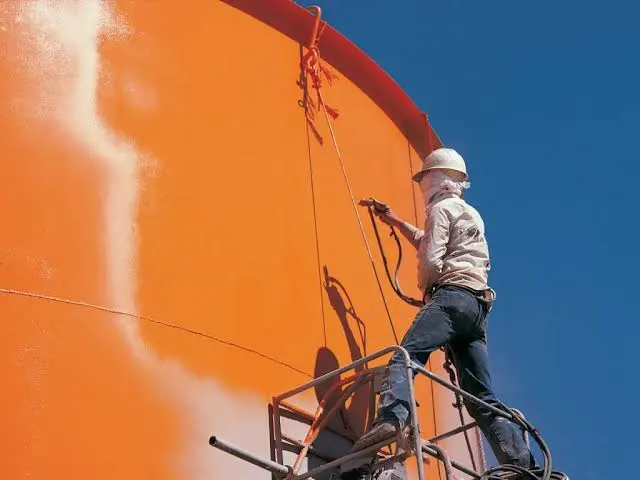
Why Safety Planning Comes Before Any Industrial Painting Job
A warehouse, tank, or steel structure in Surprise is not a living room wall. Industrial painting puts crews around heavy coatings, powered spray equipment, and work at height, often while the facility around them keeps running. Orange Coatings in Surprise wrote this guide on safety risks to know before industrial painting in Surprise.
That is why the safety conversation has to happen before the job, not during it. A contractor who walks your site, identifies the hazards, and plans around them will finish faster and leave you with fewer surprises than one who just shows up with sprayers.
The risks below are the ones that matter most on Arizona industrial and commercial sites. Use them as a checklist when you talk to any painting contractor, and use them to compare bids on more than price of paint. A serious industrial painting partner will raise most of these points themselves before you have to ask.
Solvent Fumes and Poor Ventilation
Many industrial coatings carry strong solvents, and fumes build up fast inside buildings with limited airflow. Breathing them over a shift causes dizziness, headaches, and worse in unventilated corners, and the vapor does not care whether you are the painter or an employee working twenty feet away.
Ventilation planning is the fix. That means exhaust fans positioned to pull vapor out of the work zone, scheduling high-fume work for hours when fewer people are in the building, and respirators matched to the coating being sprayed. When the product allows it, low-VOC coatings cut the exposure level without cutting performance.
Ask any contractor you are considering how they plan airflow on your specific building. Vague answers are a red flag. Crews who do this work week after week will talk about air movement, respirator selection, and isolation of the work zone in plain, specific terms, because they have had to get it right on every job.
Fire and Explosion Hazards from Flammable Coatings
Sprayed solvent coatings put flammable vapor into the air, and that vapor ignites. A spark from nearby grinding, a running forklift, or static discharge in the wrong conditions can turn a routine coating job into an emergency.
Controls are straightforward but non-negotiable. No ignition sources inside or near the spray zone. Grounding and bonding when equipment calls for it. Coatings, thinners, and rags stored and handled correctly, not left open in a corner. And masking and containment set up so overspray and vapor stay inside the controlled area instead of drifting toward electrical panels or hot work happening elsewhere in the facility.
If your site runs machinery, welding, or hot work during the day, coordination matters as much as the painting itself. A good contractor will ask what else is happening in the building and schedule around it. If nobody asks that question, keep looking.
Confined Spaces: Tanks, Pits, and Silos
Painting the inside of a tank, pit, silo, or large duct is one of the highest-risk jobs in the trade. These spaces can trap vapor, run short on oxygen, and turn a small solvent release into a serious event, and a worker inside has limited ways out.
Legitimate confined space work requires permits, atmospheric testing before entry and during the work, a trained attendant outside the space the entire time, and rescue equipment that actually matches the space. Ventilation runs continuously, and lighting and spray equipment rated for the environment gets used, not whatever is on the truck.
Most facility managers never see this work up close, so the contractor's process is everything. Ask directly how they handle confined space entries, who signs off, and who stands watch. An experienced industrial painting crew answers those questions without hesitation. Hesitation is your answer instead.
Falls from Height on Steel and Rooftops
Industrial coating work happens up high: catwalks, tank exteriors, structural steel, mezzanines, and rooftops over production floors. Falls remain one of the most serious hazards in construction trades, and painting adds slip factors that other trades do not deal with, from overspray on walking surfaces to hoses and cords crossing platforms.
Proper fall protection means guardrails or personal fall arrest systems on elevated work, ladders and lifts set up correctly, and a site kept clear of trip hazards as the job moves. Surface preparation adds another layer, because grinding and blasting at height throw debris that affects footing and anyone below.
When you walk a contractor through your facility, watch what they look at. Crews with real industrial experience scan edges, overhead work, and access routes almost automatically. They will flag your catwalk anchors and your overhead piping without being prompted, and that observation tells you more than any safety certificate on a website.
Lead Paint and Hazardous Old Coatings
Older buildings across the West Valley can carry coatings that nobody would apply today. Disturbing them through scraping, sanding, or blasting puts contaminated dust into the air, and the disposal rules for that material are stricter than most people expect.
Federal rules require anyone paid to disturb paint in homes built before 1978 to be certified in lead-safe work practices, and that same caution applies to older structures on commercial and industrial properties. Testing before the work starts is the only way to know what you are dealing with, and the results change the whole approach: containment, protective equipment, cleanup standards, and disposal all shift when lead or other hazardous coatings enter the picture.
If your building predates the late seventies, make testing part of the scope before any surface preparation begins. A contractor who suggests skipping it to save time is handing you a liability problem that costs far more than the test ever would.
How to Choose an Industrial Painting Contractor in Surprise
Safety performance and coating quality come from the same place: disciplined process. When you compare industrial painting contractors around Surprise, ask how they handle each risk above and listen for specifics.
A strong answer sounds like this: ventilation equipment named and sized for your building, a written sequence for confined space or elevated work, a surface preparation plan that includes washing, scraping, and feathering old coatings before primer, and a recoat window respected so mil thickness and adhesion land where the product needs them.
Weak answers sound like reassurance. Do not worry, we have done this before, we will figure it out on site. Industrial coatings fail in ways that cost real money to reverse, so the crew you want talks about method before it talks about schedule.
Orange Coatings brings residential, commercial, industrial, and municipal construction experience to every industrial job in Surprise and the surrounding West Valley, and we plan safety into the scope from the first site walk. Call (602) 932-3417 or visit our Industrial Painting page to talk through your facility and get the process mapped out before any equipment arrives.
Sources
- [1] epa.gov
Ready to move forward? See our Industrial Painting service
Written by the Orange Coatings team.
Safety Risks to Know Before Industrial Painting in Surprise FAQs
Does every industrial painting job require respirators?
Not every job, but most sprayed industrial coatings call for them. Respiratory protection depends on the coating chemistry, the application method, and the ventilation in the space. Airless spraying in an enclosed area demands more protection than brushing a low-VOC product in an open bay. Your contractor should specify respirator requirements in the job plan, not decide on the day.
Can our facility keep operating during the painting work?
Usually yes, with planning. Work zones get isolated with masking and containment, high-fume or noisy phases get scheduled around your production hours, and crews coordinate with your team on access routes and hot work. Walk the contractor through your schedule before the job starts so shutdowns and clearances are mapped out in advance instead of improvised.
How do I know if my older building has lead paint?
You cannot tell by looking, so the coating has to be tested before any sanding, scraping, or blasting begins. Buildings and structures from before the late 1970s are the main concern, and federal rules require certified lead-safe work practices when disturbing paint in pre-1978 homes. Testing first tells you whether standard surface preparation applies or whether containment and special disposal come into play.
What should I ask a contractor about confined space work?
Ask how they test the atmosphere before and during entry, who stands watch outside the space, what ventilation runs while the coating is applied, and what rescue plan they have if something goes wrong. A qualified industrial painting crew answers all four without hesitation, because permits, attendants, and continuous monitoring are standard procedure on legitimate confined space jobs.
Still have questions? Contact Us