Interior painting · Litchfield Park
Interior Painting in Litchfield Park, AZ
Published
Orange Coatings paints interiors in Litchfield Park, including the stained wood trim, paneling and built-ins that many older homes here still have. We visit the same day you call, write up a quote on site, and finish walls and woodwork in Sherwin-Williams Emerald Interior over the right primer for each surface.
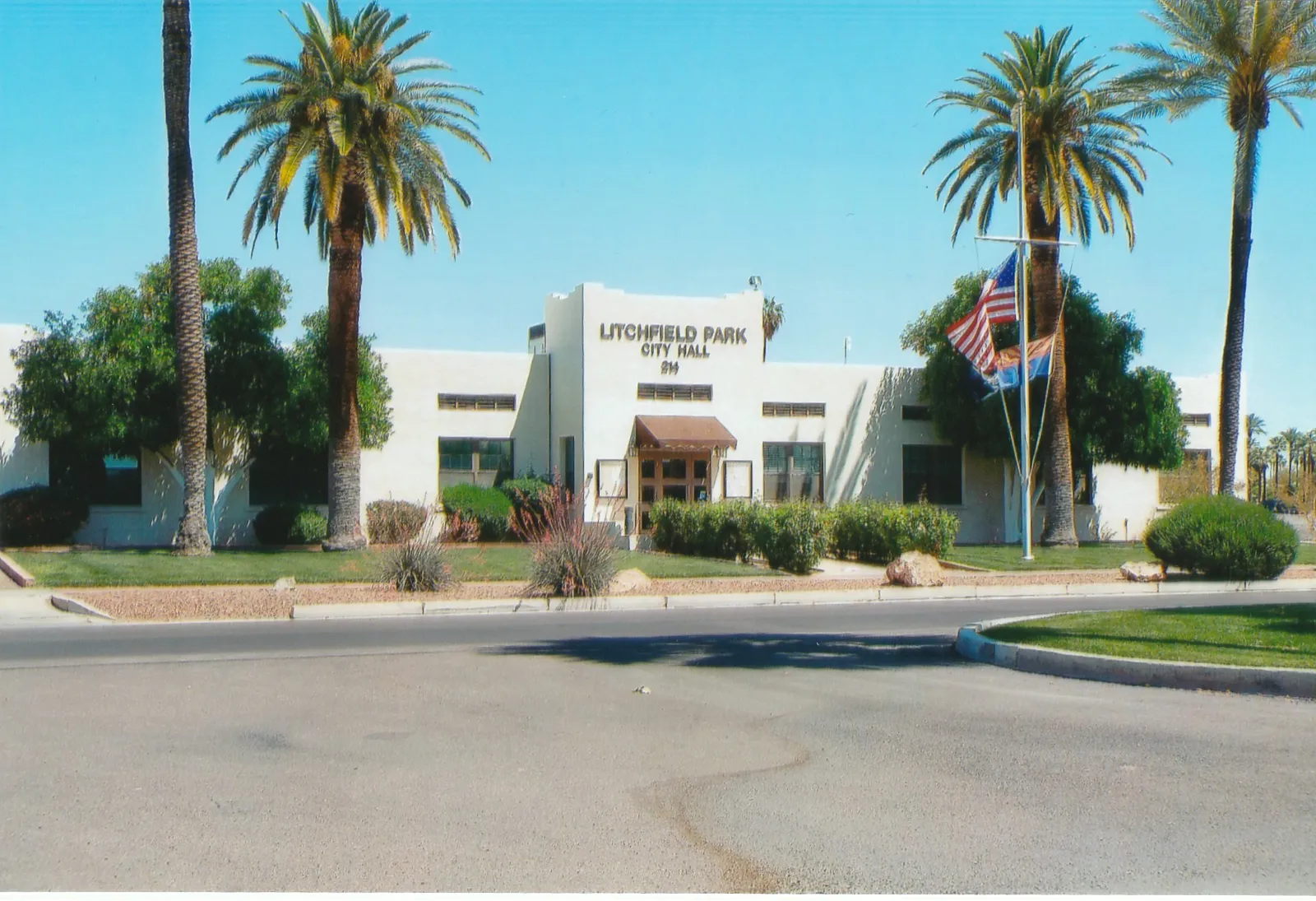
This is a small city: 6,847 residents on 3.31 square miles at the 2020 census, about 19 miles west of downtown Phoenix, with one ZIP code, 85340. Its established streets are known for mature trees and homes that have been cared for and updated over decades, which shapes what an interior repaint here involves.
| Population | 6,847 (2020 census) |
|---|---|
| Size | 3.31 square miles |
| ZIP code | 85340 |
| Finish coats | Two, in Sherwin-Williams Emerald Interior |
| Contractor | Licensed in AZ, ROC #365464; bonded and insured |
Should you paint stained wood trim?
Stained oak or pine trim, doors and beams were standard in many homes built a few decades ago. Some owners love the warmth; others find it makes rooms feel dark and dated. Painting it is the single biggest change you can make to an older interior, and it is also hard to reverse, because stripping paint out of wood grain is slow, messy work.
A sensible middle path is to paint the trim in the busiest rooms and keep a stained piece you care about, such as a front door, a staircase rail or a built-in bookcase, as a feature. We can walk through the house with you at the estimate and talk through which pieces are worth keeping.
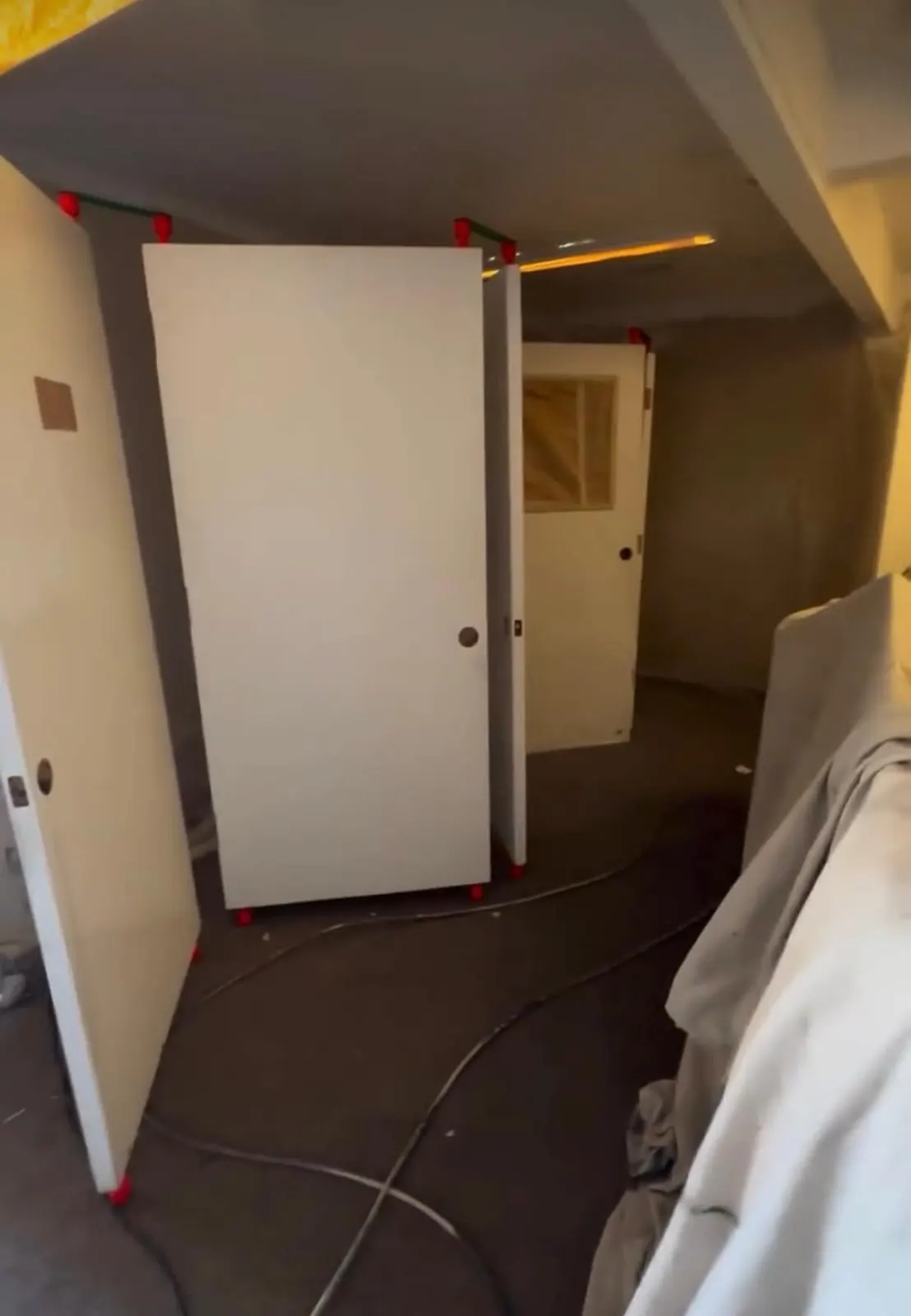
How stained woodwork gets painted properly
- Clean the wood to remove furniture polish, grease and hand oils.
- Scuff-sand to dull the old varnish so primer has something to grip.
- Fill nail holes and open joints, then caulk the seams where trim meets the wall.
- Apply a stain-blocking primer suited to wood, which stops tannins in oak and knots in pine bleeding through as yellow-brown spots.
- Finish with two coats of a hard trim enamel, brushed and rolled for an even surface.
Why tannin bleed catches people out
Oak and some other woods hold natural tannins that dissolve in water-based paint. Skip the right primer and the first coat looks fine, then tan blotches rise through the white over a day or two. Pine knots do the same thing with resin. Adding more coats of finish paint does not fix it; only a proper stain-blocking primer does. That is why we test a small area on any wood we have not painted before.
Built-ins, paneling and beams
- Bookcases and cabinets: shelves need a hard finish that will not stick to books and dishes once cured
- Wood paneling: grooves are brushed out so paint does not pool, and seams can be caulked for a smoother look
- Ceiling beams: either painted to match the ceiling so they fade back, or left stained as a contrast
- Window sills: sanded and primed where years of sun have broken down the old finish
Colors for rooms shaded by big trees
Mature trees keep homes cooler, but they also cut the daylight in front rooms and bedrooms. A color that looked bright on a sample card can turn flat and gray under tree shade. In those rooms, choose a wall color with a higher light reflectance value and a slight warm undertone. Shoji White (SW 7042, LRV 74.3) is one example that stays soft rather than stark in lower light.
Test samples at the time of day you use the room most. A family room used mainly in the evening should be judged under its own lamps, not in the morning sun from a different window.
Protecting an occupied, furnished home
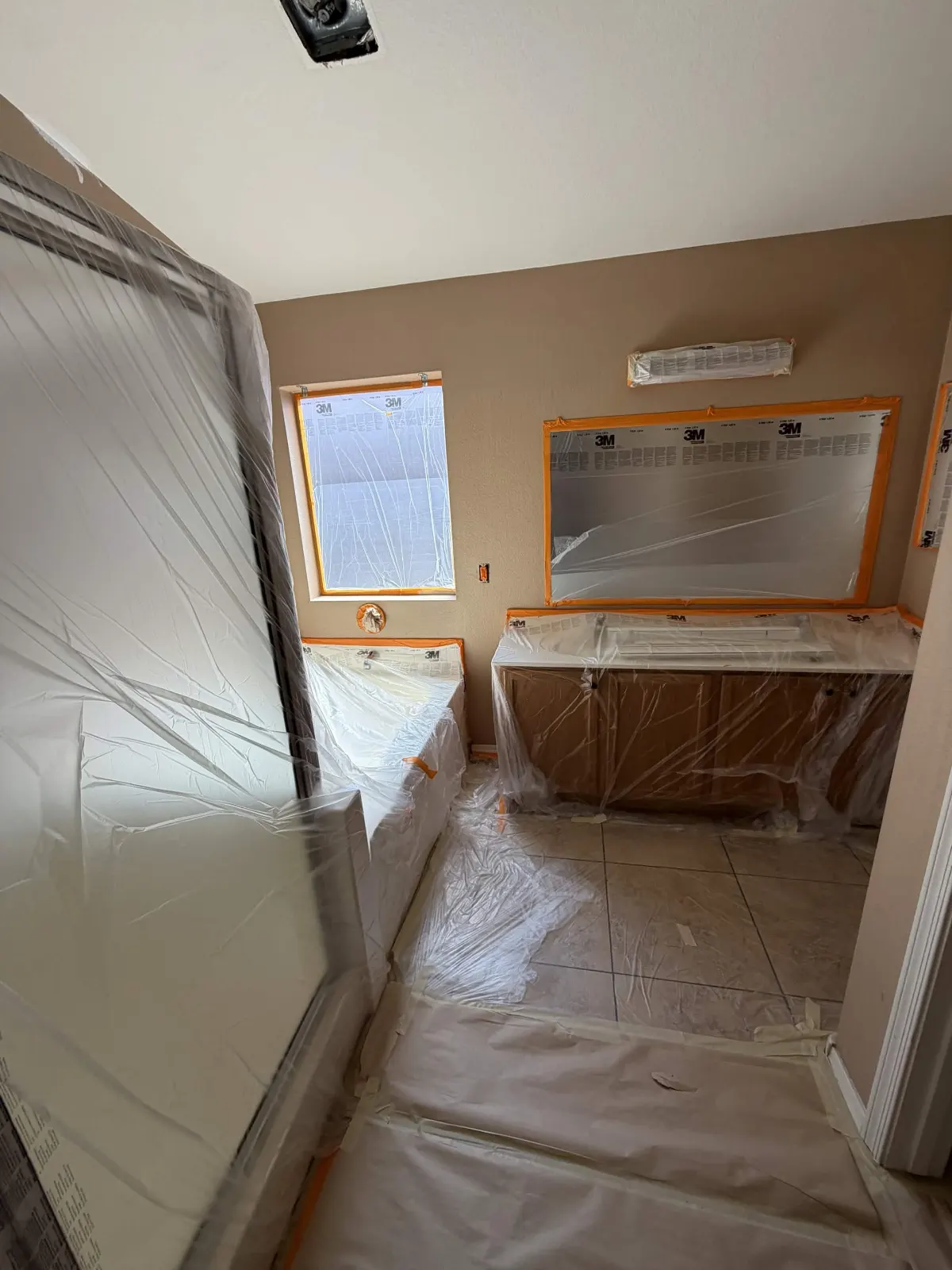
Repaints in established homes usually happen with the owners living there, often around antiques and pieces that cannot just be stacked in the garage. Furniture is moved to the middle of each room and wrapped in plastic, floors are covered with drop cloths, and we ask you to take down artwork and put away small or fragile items before we start. Daily cleanup means the rooms you use each evening are back in order.
What a full interior repaint covers
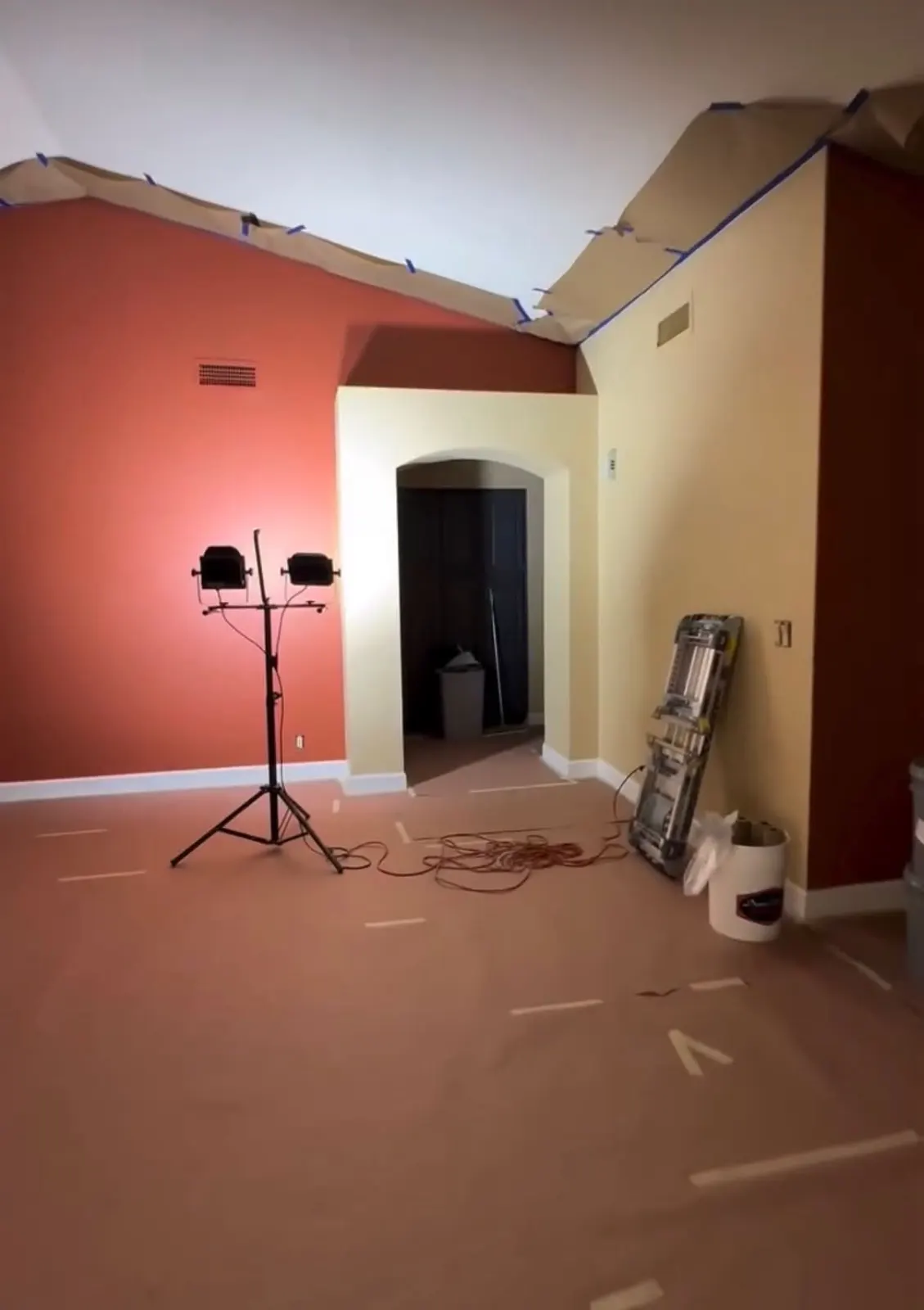
- Walls patched, sanded and spot-primed, then two coats of Emerald Interior
- Ceilings in a flat finish that hides small flaws
- Trim and doors in a harder enamel, primed first if they were stained
- Crisp cut lines where walls meet ceilings, trim and casings
- A final walkthrough with Noah Baldwin and touch-ups on the spot
Photos
Frequently asked questions
- Can you paint the oak trim and doors in my Litchfield Park home?
- Yes. Oak gets cleaned, scuff-sanded and primed with a stain-blocking primer before two finish coats, so the grain tannins do not bleed through. We test a small area first on wood we have not painted before.
- Will the wood grain show through the paint?
- Open-grained wood like oak keeps some texture under paint. If you want it perfectly smooth, the grain has to be filled before priming, which adds time. We explain the difference at the estimate so you can choose.
- How long does it take to paint stained trim in a whole house?
- Longer than repainting already-painted trim, because of the extra cleaning, sanding and priming. Your written quote lays out the days for trim separately from the walls.
- Can painted wood be stained again later?
- Only by stripping it back to bare wood, which is slow and rarely perfect. Treat painting stained woodwork as a long-term choice.
- What wall colors work if I keep my stained trim?
- Wood tones are warm, so walls with a warm or neutral undertone usually sit best beside them: soft whites with a hint of cream, light greiges and muted greens. Cool, bluish grays can make honey oak look orange. Paint a sample right next to the trim before you decide.
- Can you paint over wood paneling?
- Yes. Paneling is cleaned, scuff-sanded and primed like other stained wood, and the grooves are brushed so paint does not pool in them. If you want a flat wall look instead of visible grooves, that takes extra filling and is quoted separately.
- Do you paint homes in Litchfield Park from your Surprise shop?
- Yes. We are based in Surprise and cover Litchfield Park along with the rest of the West Valley, with same-day estimates.
Related
- Residential interior painting
- Painters in Litchfield Park, AZ
- Custom home painting in Litchfield Park
- Exterior painting in Litchfield Park
- Interior painting in Avondale
- Interior painting in Goodyear
- Interior painting in Arcadia
- Interior door painting
- How much interior painting costs
- Painting services by city
- Photo credits