Custom home painting · Litchfield Park
Custom Home Painting in Litchfield Park, AZ
Published
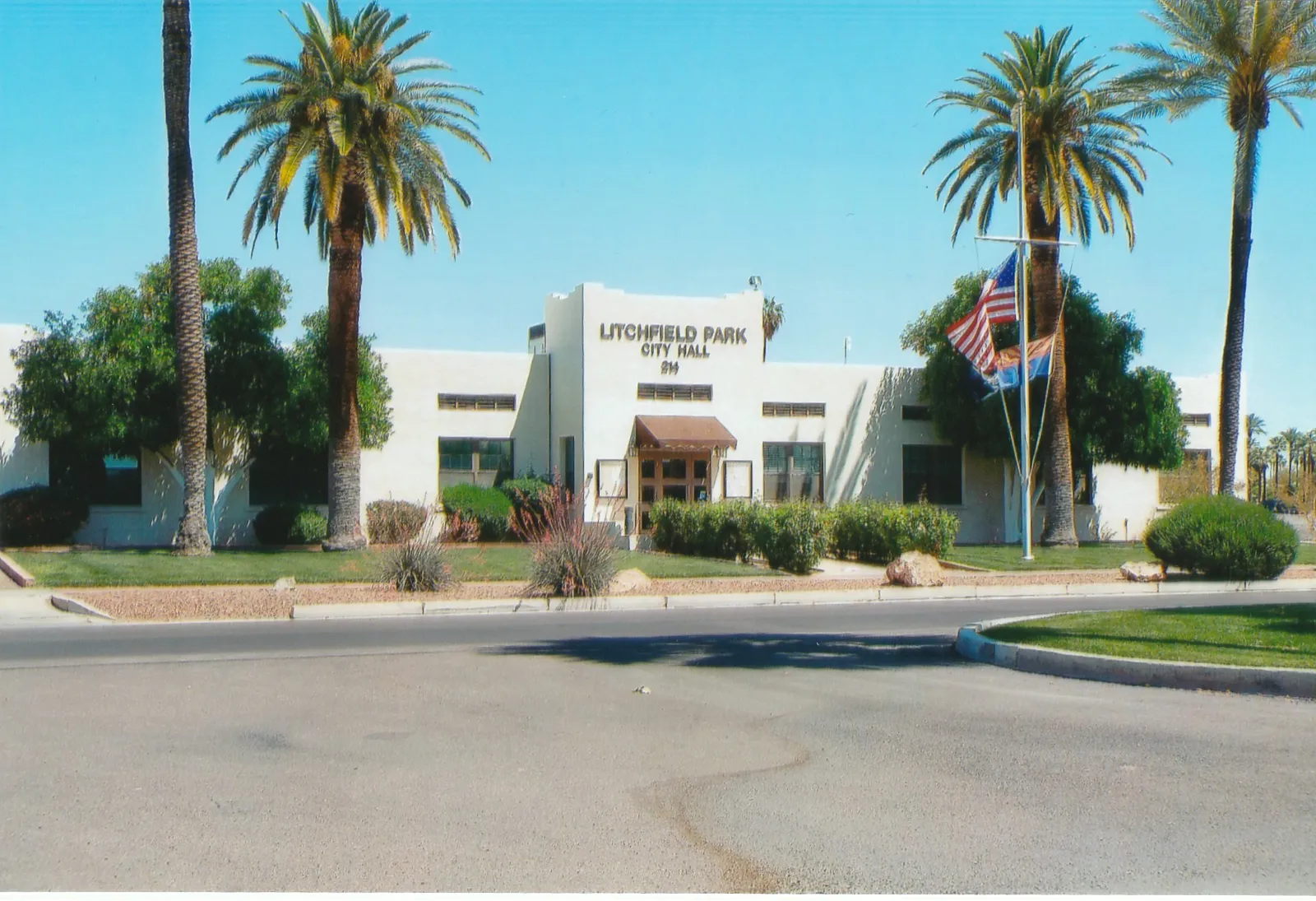
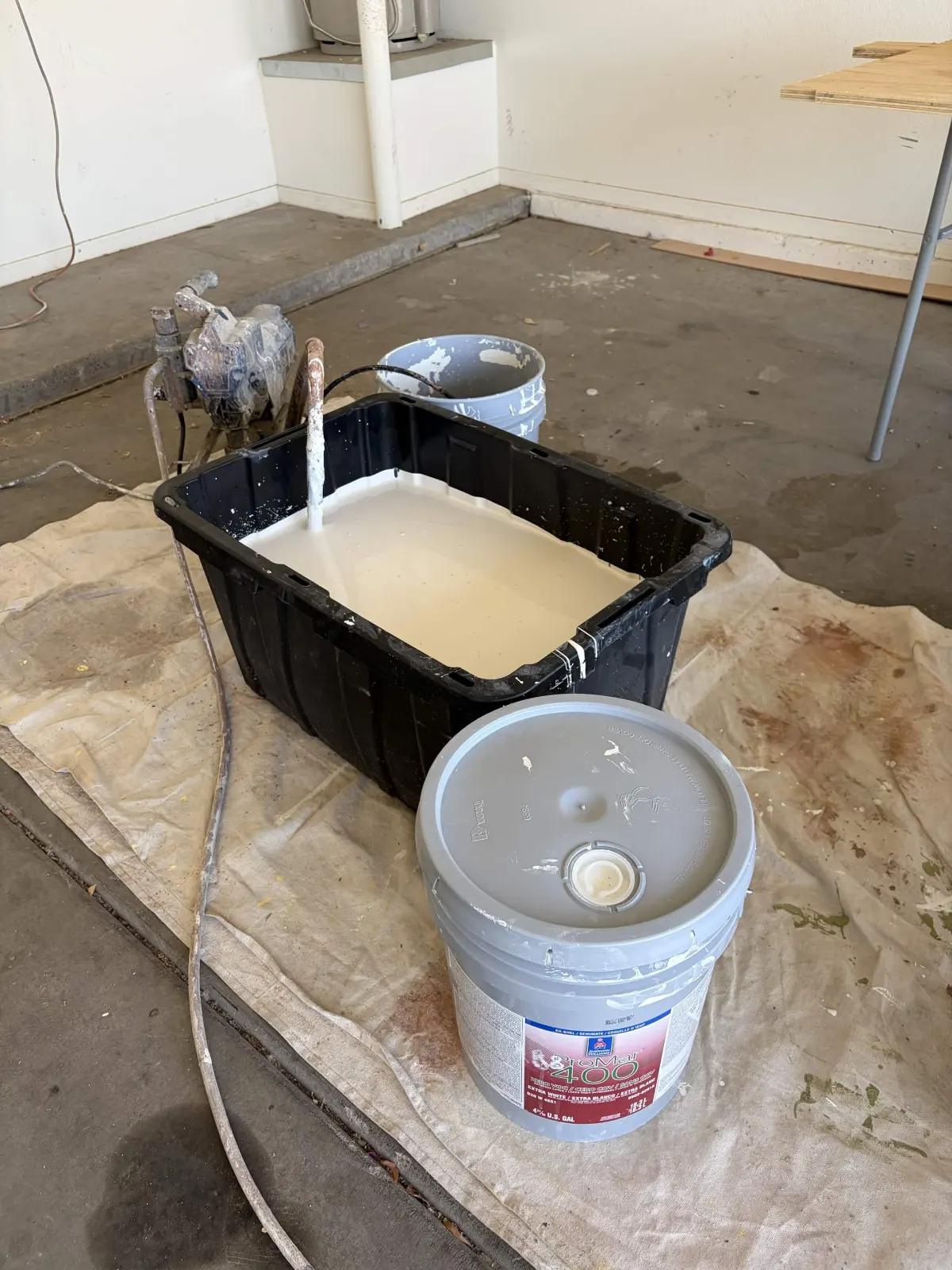
Orange Coatings paints custom homes in Litchfield Park, a small, established city where much of the work is updating older custom houses rather than finishing new ones. We use Sherwin-Williams Emerald Interior and Emerald Exterior and start every project with a same-day, in-person estimate.
Homes here often have features that newer West Valley tracts do not: stained wood beams and paneling, brick fireplaces, block or brick exteriors, golf course lots and big shade trees. Updating them well means deciding what to paint, what to leave natural, and how to prep each surface so the new finish lasts.
| Population | 6,847 (2020 census) |
|---|---|
| ZIP code | 85340 |
| Area | 3.31 sq mi |
| Location | West Valley, 19 miles (31 km) from Phoenix |
| Paint we specify | Sherwin-Williams Emerald for walls, trim and stucco |
| Credentials | Licensed under ROC 365464; bonded; insured |
A small city with older custom homes
Litchfield Park covers just over three square miles and had 6,847 residents at the 2020 census. It began as a company town tied to the Goodyear Tire and Rubber Company and grew around The Wigwam resort and its golf courses, so many of its homes are older, individually designed and set on mature, tree-lined lots.
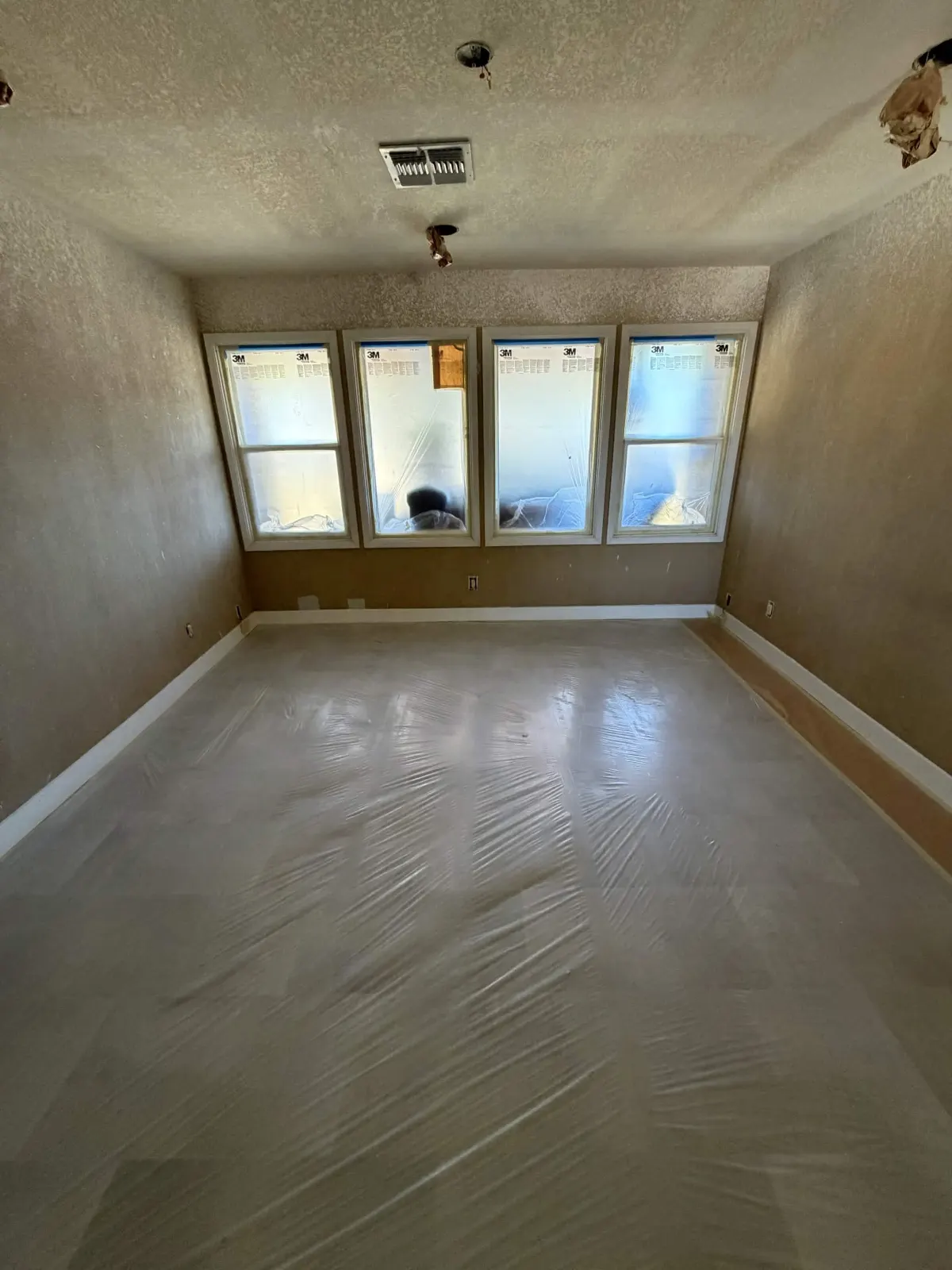
That shapes the work. Rather than personalizing a builder plan, owners here are usually bringing an older custom home up to date: lightening dark interiors, painting or refreshing wood, and repainting exteriors that have been patched and touched up over many years.
Painting over stained wood, paneling and oak trim
Dark stained wood is the biggest interior change in older custom homes, and the one most often done wrong. Wood tannins bleed through latex paint as yellow or brown stains, sometimes weeks later. Varnished surfaces are also too slick for paint to grip.
- Clean off grease and wax with a degreaser.
- Scuff-sand the sheen off the varnish and remove the dust.
- Fill nail holes and caulk joints after the first primer coat, when they are easier to see.
- Prime with a stain-blocking primer, adding a second coat over knots or heavy bleed.
- Finish in a semi-gloss or satin enamel so the trim can be wiped clean.
Beams, wood ceilings and brick fireplaces: paint or keep?
Not every piece of old wood should be painted. Exposed beams and tongue-and-groove ceilings in good condition can anchor a room once the walls around them are lightened. In that case we mask the wood carefully and cut the new wall color to it by hand. If the beams are damaged, mismatched or too dark for the room, painting them a soft white or a shade of the wall color is a fair choice, but it is hard to reverse.
Brick fireplaces follow the same logic. Painted brick needs cleaning and a masonry primer; bare brick that is painted will need repainting for good. We talk through those choices at the walkthrough and paint out samples before you decide.
Shade trees, golf lots and exterior care
Mature trees are part of what makes the city pleasant, and they are also hard on exterior paint. Branches rubbing a wall wear through the finish, leaf litter collects behind shrubs, and sprinklers or golf course irrigation keep the lower part of walls wet. That leaves hard-water spotting and peeling near the ground.
Before we paint, have branches trimmed back from walls and the roofline, and point sprinkler heads away from the house. We wash, scrape and prime damaged areas at the base of walls, and set ladders around landscaping instead of through it.
Brick, block and stucco on older exteriors
- Older stucco with years of patches: crack repair and Loxon masonry primer on every patch so the topcoat looks even
- Painted slump block and brick: wash, brush off white efflorescence, prime bare spots with a masonry primer
- Wood fascia, trim and window frames: scrape, sand, prime bare wood and re-caulk
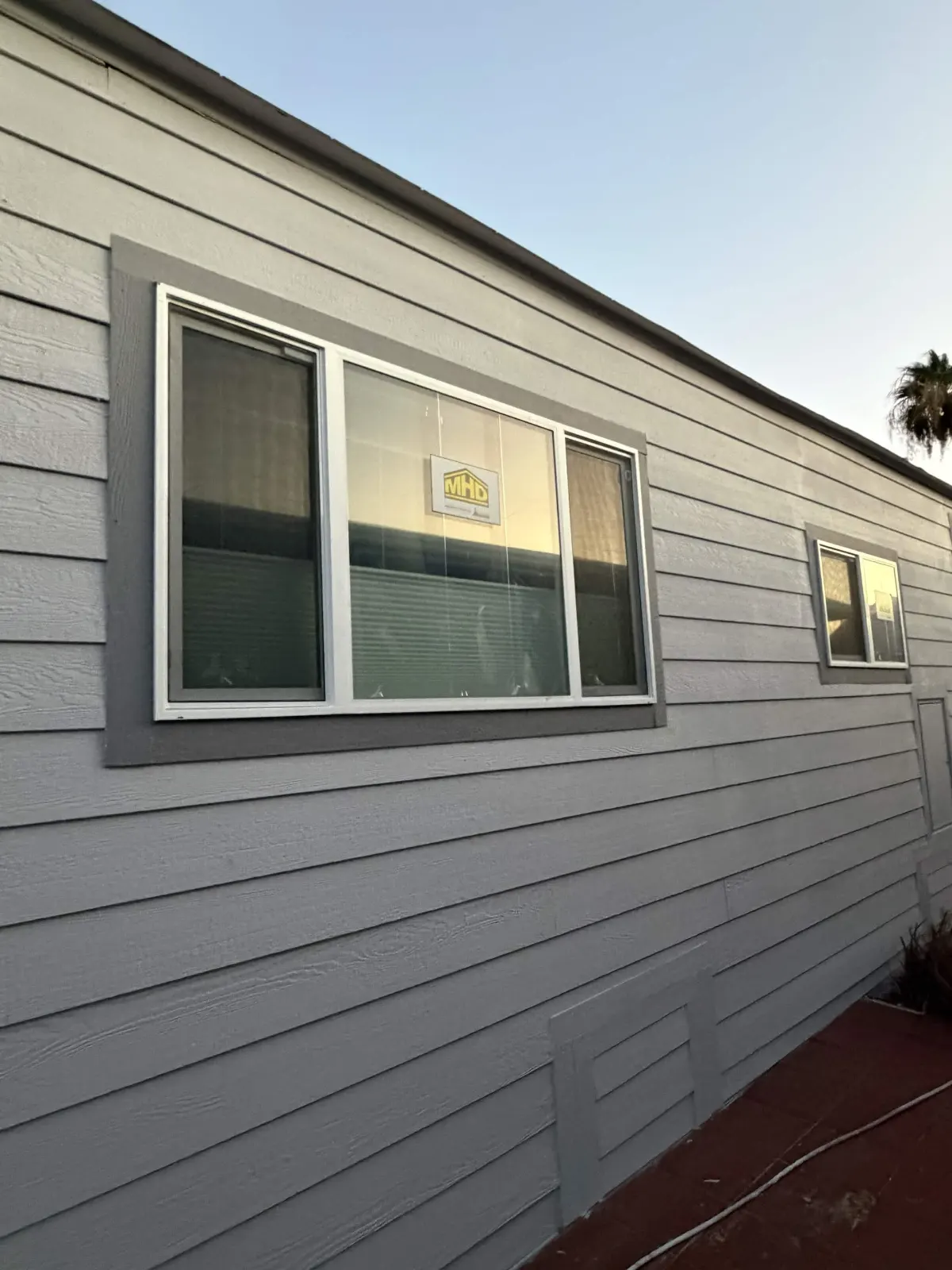
- Body coats: two coats of Emerald Exterior, sprayed and back-rolled on stucco
- Wrought iron and metal gates: wire-brush rust, prime with a metal primer, then topcoat
New custom homes on infill lots
When an older house is replaced or a remaining lot is built on, the new home usually has to sit comfortably among older neighbors. We coordinate with the builder on timing, prime new drywall and stucco, and help you choose exterior colors that suit the street's established, softer palette rather than looking newer than the trees around it.
Choosing colors for an established neighborhood
Under heavy tree cover, exterior colors read darker and cooler than they do in an open desert yard, so a shade that looks right on a chip can look gloomy on a shaded wall. We sample on more than one elevation and check the samples in both shade and sun before you commit. Inside, lighter walls help rooms that have deep overhangs and older, smaller windows, while the original wood can stay as the contrast.
Photos
Frequently asked questions
- Can you paint the dark oak trim in my Litchfield Park home white?
- Yes. The trim is cleaned, scuff-sanded, primed with a stain-blocking primer and finished in enamel. Skipping the stain blocker is what causes yellow bleed-through later.
- Should I paint my exposed wood beams?
- Only if they are damaged, mismatched or making the room too dark. Beams in good shape often look best left natural against lighter walls, and painting them is hard to undo.
- Why is the paint peeling at the bottom of my exterior walls?
- Most often irrigation. Sprinklers, golf course watering and damp soil keep the base of the wall wet, so paint lets go. We repair and prime that band, but the water also needs to be redirected.
- Do you paint homes on golf course lots near The Wigwam?
- Yes. We paint homes all over Litchfield Park, including golf course lots, and we plan access around landscaping and course boundaries at the walkthrough.
- Can a newer custom home be painted to fit an older street?
- Yes. We usually suggest softer, warmer exterior colors that sit well next to mature landscaping and older homes, and we sample them on the house before you decide.
- What does painting a brick fireplace involve?
- Cleaning off soot and dust, priming with a masonry primer and two finish coats. Bare brick soaks up paint, so expect more material than a smooth wall, and plan on painting it again in future.