Interior painting · Trim and baseboards
Trim and Baseboard Painting in Surprise, AZ
Published
Repainting baseboards, door casings and window trim makes a room look finished even when the walls are fine. We fill nail holes, recaulk open joints, sand, and brush on a durable finish with sharp lines where the trim meets the wall and the floor.
Trim is slow, detailed work, and it is where a rushed paint job shows first. This page covers what we include, how we handle tile floors and old oil-based trim, and the factors that set the time and price.
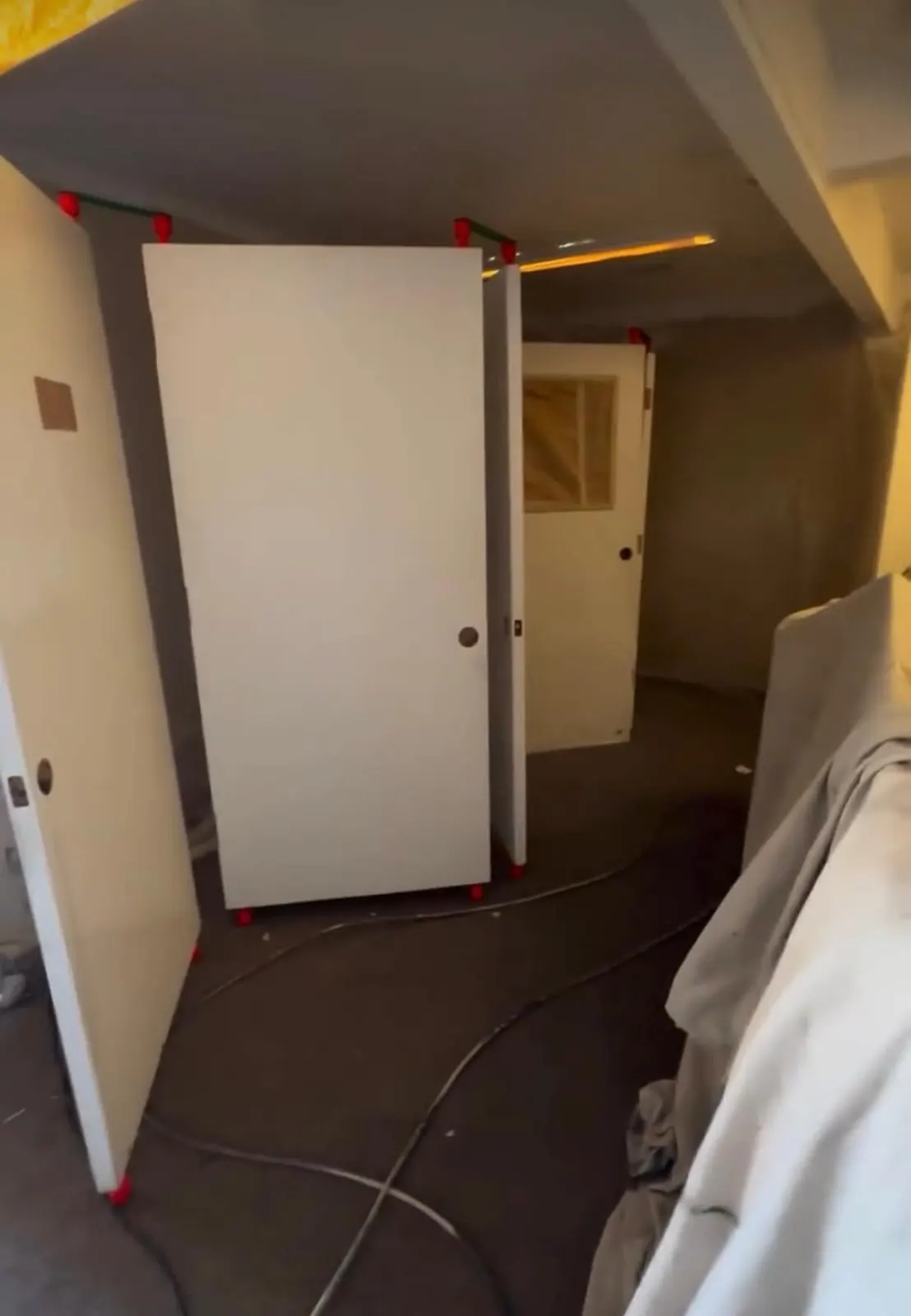
| Includes | Baseboards, door casings, window trim, crown molding, chair rail |
|---|---|
| Prep | Clean, fill, caulk, sand and spot prime |
| Sheens | Usually satin or semi-gloss for washability |
| Interior coatings | Low-VOC Sherwin-Williams interior products |
What trim and baseboard painting includes
Trim covers every painted wood or MDF profile in the house. You can have it done room by room, as a whole-house trim refresh, or along with a full interior repaint.
- Baseboards, including the top edge where dust settles
- Door casings, door jambs and the stop molding
- Window sills and casings where the home has them
- Crown molding, chair rail and wainscot
- Stair skirts and stringers next to carpet or tile
- Caulking open joints and the gap along the top of the baseboard
Signs your trim needs attention
- Scuffs and black marks from vacuums, shoes and furniture legs
- Gaps opening between the baseboard and wall, or at mitered corners
- Nail heads showing or popping through the paint
- White trim that has yellowed, which is common with old oil-based paint
- Chipped casing edges around busy doorways
How we paint trim and baseboards
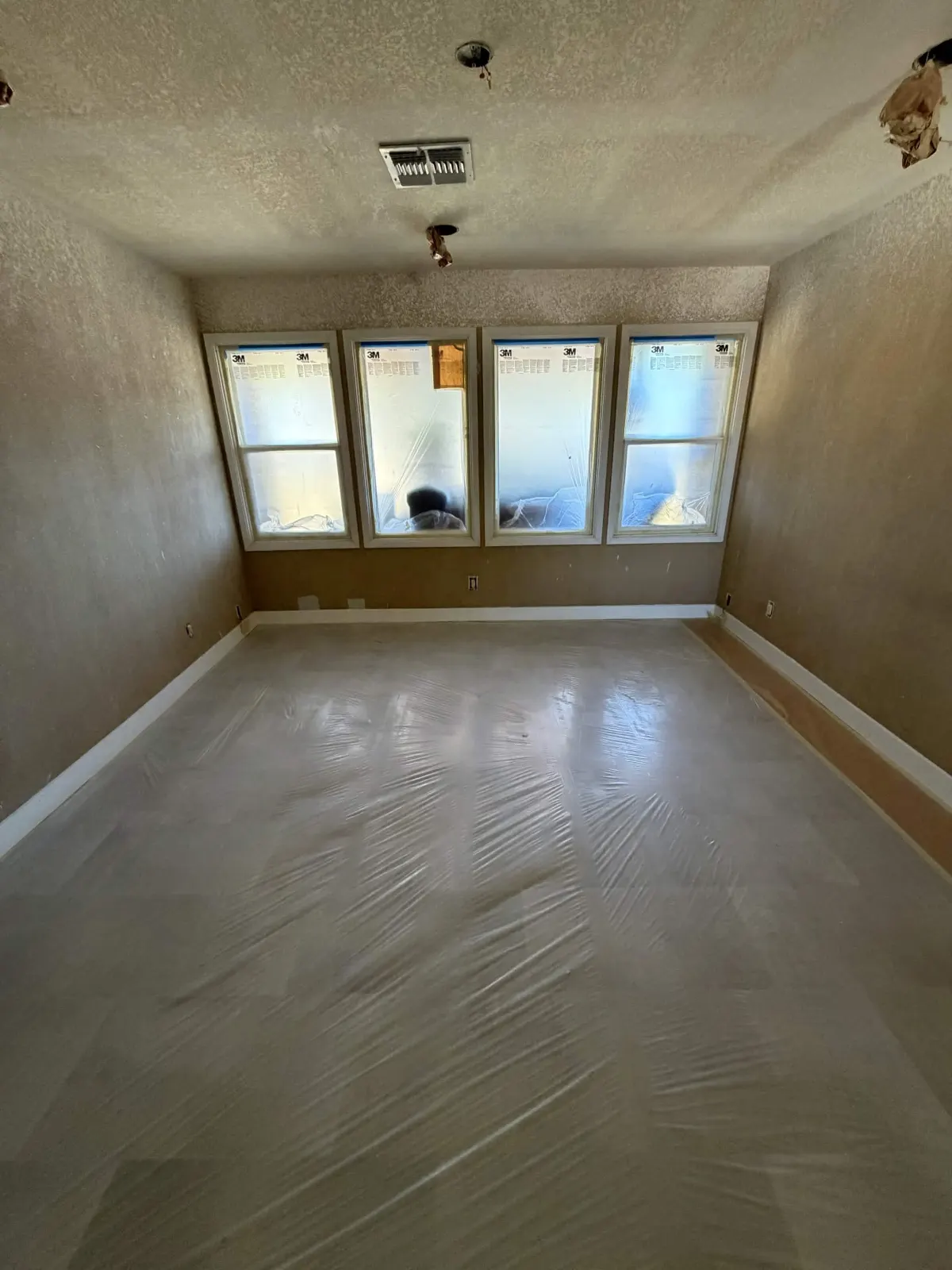
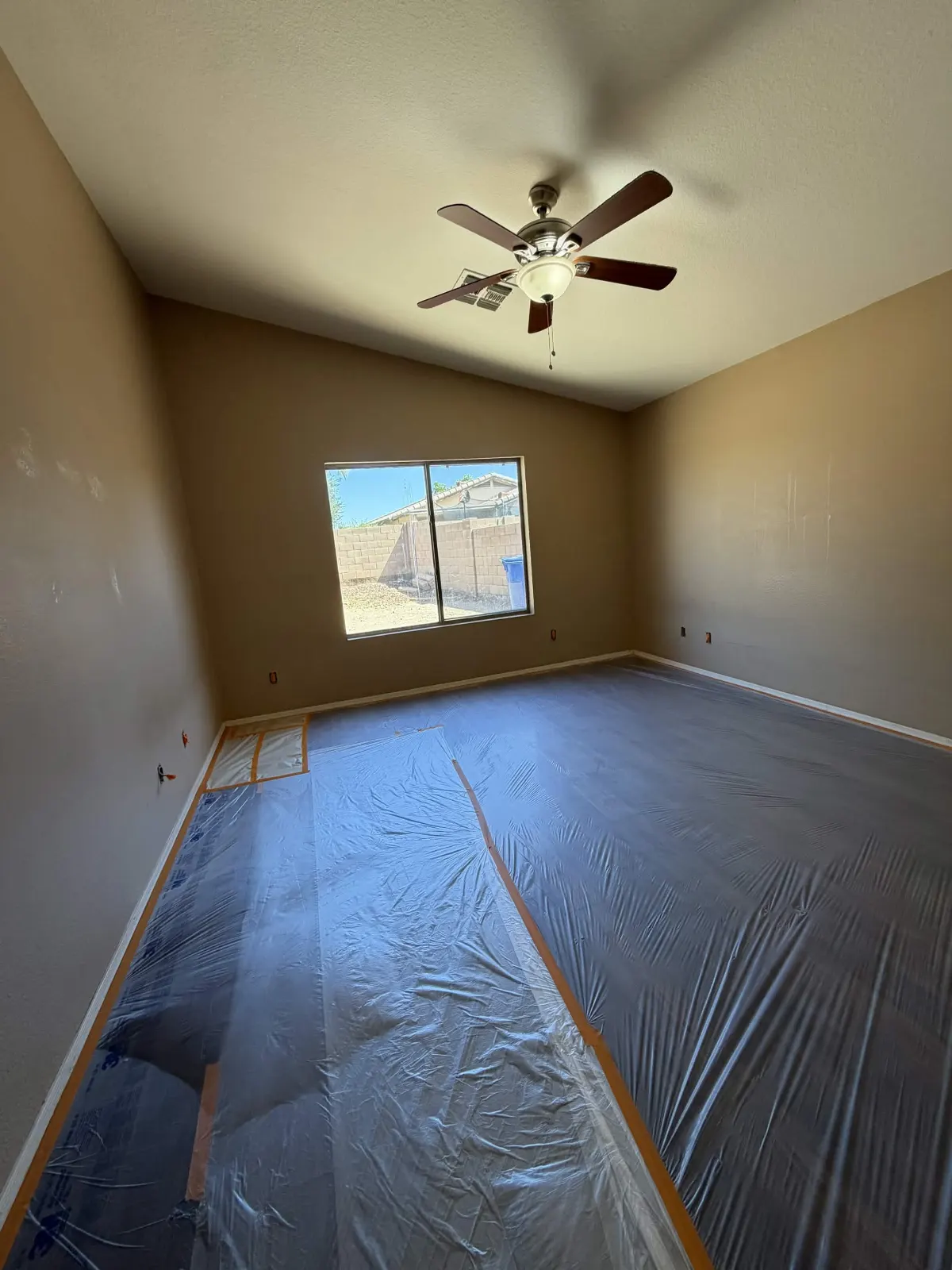
- Cover floors and lay plastic or tape along the base so nothing touches tile, wood or carpet.
- Wipe down trim to remove dust, grease and pet hair.
- Set popped nails, fill holes and dents, and sand the patches smooth.
- Caulk open joints and the top edge of baseboards, then let the caulk set.
- Scuff sand glossy surfaces and spot prime filled or bare areas.
- Cut in the wall line by hand and brush on the finish coats.
- Pull the tape, check every line, and touch up before the final walkthrough.
Old oil-based trim needs special prep
Older homes, including many of the original houses in Sun City, may still have oil-based enamel on the trim. Water-based paint applied straight over glossy oil can peel off in sheets. We test the trim at the estimate, and if it is oil, it gets cleaned, sanded and primed with a bonding primer before the new finish.
Oil-based trim also turns yellow over time, especially in rooms that get little daylight. Switching to a modern waterborne enamel stops that yellowing.
Tile floors, dust and Arizona living
A lot of West Valley homes have tile floors throughout, and baseboards that sit right on the tile or grout. That joint needs careful masking so paint does not end up in the grout lines. On carpet we tuck tape under the edge of the baseboard to keep the brush off the fibers.
Desert dust settles on top of baseboards and in the profiles of crown molding. A satin or semi-gloss sheen lets you wipe that dust off without dulling the finish, which is why we rarely use flat paint on trim. Low-VOC interior coatings keep the smell down while you are living in the house.
Color: matching or contrasting the walls
Bright white trim with off-white or greige walls is a common pairing in West Valley homes. Painting the trim the same color as the walls in a higher sheen is a quieter, more modern option. Dark trim works in some rooms but shows dust and scuffs quickly.
If you are not sure, we can paint a sample on a section of trim before committing to the whole house.
How long trim takes and what sets the price
Trim takes longer than people expect because nearly all of it is brushed by hand. A single room is a short job, while trim throughout a whole house usually takes several days. Caulk and primer dry time is built into the schedule in your estimate.
- Total linear footage of baseboard and casing
- Number of doors, windows and openings in the house
- Tall baseboards, crown molding and detailed profiles
- Whether the trim is oil-based and needs bonding primer
- Amount of caulking and filling needed
- Whether walls and ceilings are painted at the same time
Trim work for rentals and home sales
Baseboards and door casings take the most abuse in rental homes, from moving furniture, vacuums and pets. Between tenants, a trim repaint along with wall touch-ups makes a unit look cared for without repainting every wall. We can schedule the work around move-out and cleaning dates for property managers.
When you are getting ready to sell, buyers notice chipped trim and gaps at the corners in photos and showings. Freshly caulked and painted trim is a relatively small job that makes the rest of the house look better maintained.
Where we paint trim and baseboards
Orange Coatings handles interior trim work across the West Valley and beyond:
Photos
Frequently asked questions
- Do you paint baseboards without painting the walls?
- Yes. A trim-only job makes sense when the walls are in good shape but the baseboards are scuffed. We mask the walls and floor and paint only the trim.
- How can you tell if my trim has oil-based paint?
- A simple test with rubbing alcohol on a cotton ball tells us. If the paint softens and comes off, it is latex; if not, it is likely oil and needs a bonding primer.
- What sheen is best for baseboards?
- Satin or semi-gloss. Both wipe clean when dust, mop water or shoe marks hit them. Flat paint on baseboards scuffs and stains easily.
- Will you caulk the gaps along the top of my baseboards?
- Yes, open joints and gaps along the wall are caulked before painting. It gives a clean line and keeps dust from collecting in the crack.
- Do you remove baseboards to paint them?
- No, baseboards are painted in place. We protect the floor with tape and plastic so the bottom edge stays clean.
- Can trim be painted while we live in the house?
- Yes. We work room by room and use low-VOC interior products, so you can stay home. Keep pets away from wet baseboards for the first few hours.
- Do you paint window sills and casings too?
- Yes, painted window sills, stools and casings are part of trim work. Many West Valley homes have drywall returns instead of wood casing around windows, and those are painted with the walls.