Guide · Painting safety
Lead Paint in Older Phoenix-Area Homes: What to Know Before Painting
By the Orange Coatings team · Published
If your Phoenix-area home was built before 1978, assume it could have lead-based paint under the newer coats until a test says otherwise. Paint in good condition is usually not a hazard; the risk comes when it is sanded, scraped, chipped or worn into dust, which is exactly what prep for a repaint does.
That is why federal rules require contractors paid to disturb paint in pre-1978 homes to be certified and to follow lead-safe practices. Here is how to tell whether your house is in that group, where lead tends to hide, and what to ask before any prep starts.
Why 1978 is the line
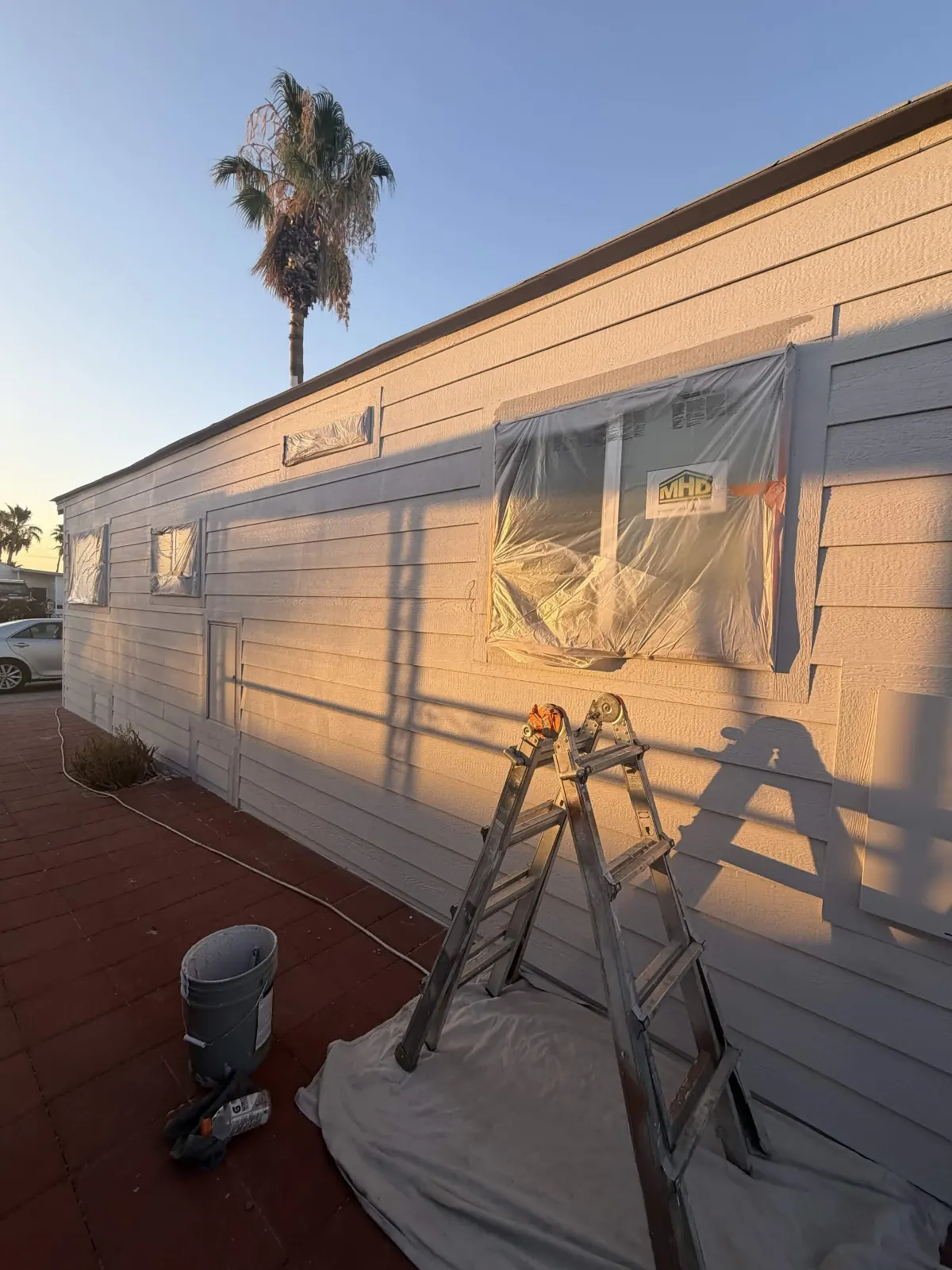
The federal government banned the sale of lead-based paint for use in homes in 1978, according to the EPA. Homes built after that should not have it in their original paint. Homes built before it may, and the older the house, the more likely. The EPA estimates that about 24 percent of homes built from 1960 to 1977 have lead-based paint, rising to 69 percent for 1940 to 1959 and 87 percent for homes built before 1940.
Lead paint is rarely on the surface today. It sits under one or more later coats, which is why an older home can look freshly painted and still carry it.
Which Valley homes are most likely
Much of the West Valley is newer construction, built well after 1978, so many homes in Surprise, Buckeye and the master-planned communities of Peoria and Goodyear are outside the concern. The older housing is concentrated in a few places.
- Sun City: Del Webb opened it on January 1, 1960, and many of its original homes date from the 1960s and 1970s.
- Older neighborhoods of Glendale and central Peoria near their historic downtowns.
- Arcadia and other established Phoenix neighborhoods, where ranch homes from the 1950s through the 1970s are common.
- Original townsite homes in older parts of West Valley cities.
- Any home where the build date is unclear. County assessor records list the year built.
Where lead hides in a desert house
The EPA points to surfaces that rub, bump or wear as the most hazardous, because friction turns paint into dust and chips. In older Arizona homes, that usually means the following.
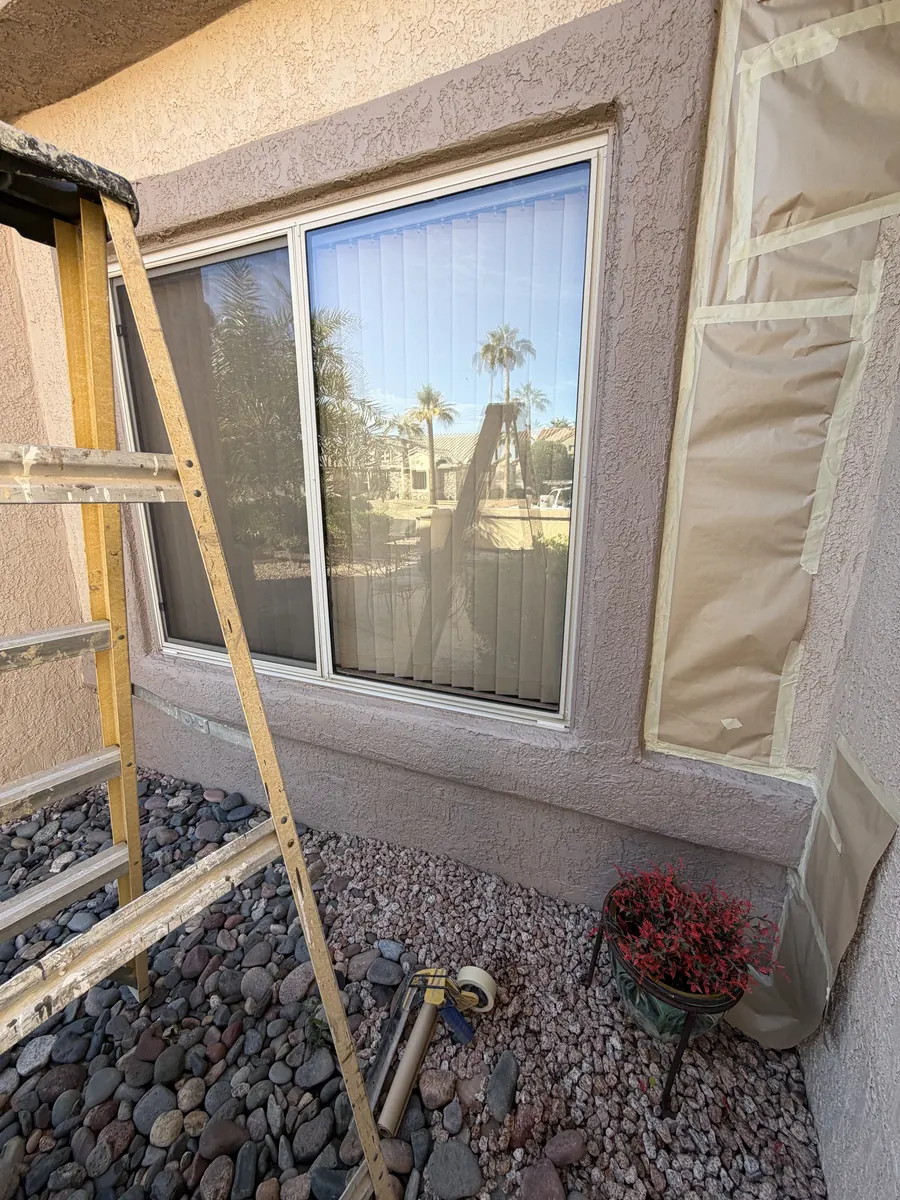
- Wood window frames, sills and sashes, especially original steel or wood windows that open and close
- Interior and exterior doors, door jambs and casings
- Baseboards and other painted wood trim, often under later latex
- Exterior fascia, eaves and wood trim on ranch-style homes
- Porch railings, wrought iron and painted metal from the period
- Older painted block walls and stucco that have been repainted many times
How to find out if you have it
A guess is not enough when prep will disturb paint. The EPA recommends hiring a certified lead inspector or risk assessor to test a home for lead-based paint. An inspection tells you whether lead is present and where. A risk assessment also looks at whether existing paint and dust are a hazard now.
For a renovation or repaint, an EPA-certified renovator can also test the specific components that will be disturbed using an EPA-recognized test kit. Every component being worked on has to be tested; one clean result on a door does not clear the windows. Retail kits are sold to the public, but EPA only recognizes test results from certified inspectors, risk assessors and certified renovators.
What the federal rule requires of painters
The EPA's Renovation, Repair and Painting (RRP) Rule applies to anyone paid to disturb paint in homes, child care facilities and kindergartens built before 1978. Arizona does not run its own version, so the EPA administers it here.
- The firm must be EPA-certified, and the work must be directed by a certified renovator.
- The owner and occupants must receive the EPA's Renovate Right pamphlet before work starts.
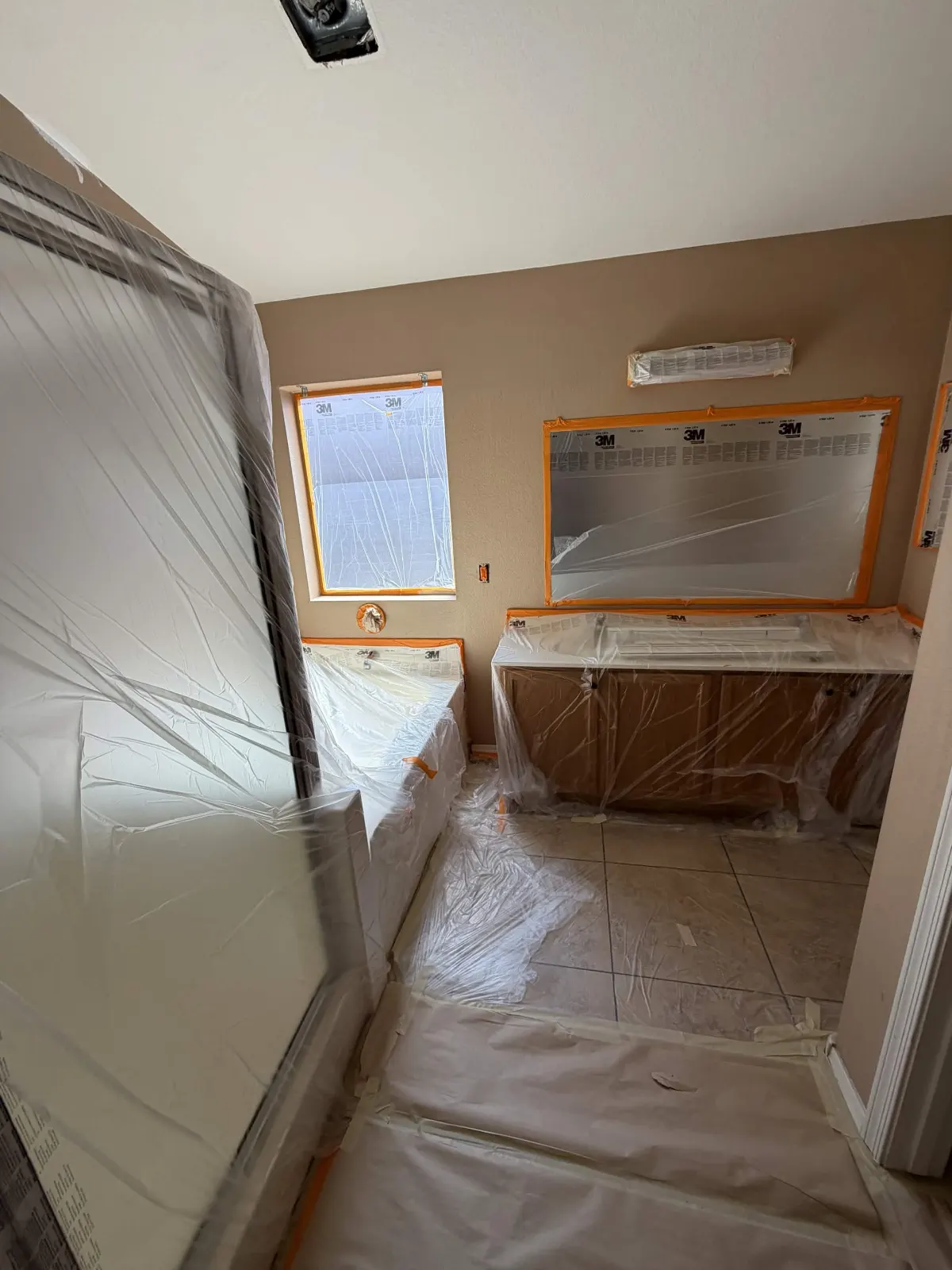
- Work areas are contained and cleaned using lead-safe practices.
- Open-flame burning, heat guns above 1,100 degrees Fahrenheit, and power sanding or grinding without HEPA dust collection are prohibited.
- Small jobs are exempt only if they disturb no more than 6 square feet per room inside or 20 square feet outside, and do not involve window replacement, demolition or prohibited practices.
Why a full repaint usually counts
Washing and painting over sound paint does not disturb much. Repaint prep does: scraping peeling fascia, sanding glossy trim, cutting out window putty and patching around doors. On a typical exterior or whole-house interior, those areas add up quickly past 6 or 20 square feet. Planning for lead from the start, rather than discovering it mid-job, keeps the schedule and the household safe.
Doing your own work on a house you live in is generally exempt from the rule, but the dust is just as harmful. The same practices apply: mist before scraping, avoid dry power sanding, contain the area with plastic and clean with a HEPA vacuum and wet wiping.
Who is most at risk
Young children are at greatest risk because they crawl, touch window sills and floors and put their hands in their mouths, and settled lead dust can be stirred back into the air by sweeping or walking. Pregnant women are also at higher risk. If children under six live in or visit the home often, keep them and their toys out of work areas until cleanup is complete and verified.
Landlords of pre-1978 rentals have their own disclosure duties and should plan turnover painting with lead in mind.
Questions to ask any painter about an older home
Tell any contractor the year your home was built at the first call. At our same-day estimate we assess every surface and talk through options before the written quote, and the build year shapes how the prep should be planned.
- Is your firm EPA lead-safe certified, and who on site is the certified renovator?
- Will you test the components you plan to disturb, or should we hire an inspector first?
- How will you contain dust inside and debris outside, and how will cleanup be checked?
- What prep methods will you use on trim and windows?
- Will I receive the Renovate Right pamphlet before work begins?
Frequently asked questions
- Is lead paint dangerous if it is under newer paint?
- Not while it stays intact and covered. It becomes a hazard when it is sanded, scraped, chipped or worn into dust, which is why prep on older homes needs care.
- How do I know what year my house was built?
- Check your closing documents or look the property up on the Maricopa County Assessor's website, which lists the year built for each parcel.
- Are DIY lead test kits reliable?
- Kits are sold to the public, but the EPA recognizes results only when the test is done by a certified renovator, inspector or risk assessor. For a full answer, the EPA recommends a certified inspector or risk assessor.
- Does a homeowner have to follow the RRP rule?
- Owners doing work on their own home are generally exempt. Landlords, child care operators in their homes and house flippers are covered, and lead-safe practices protect everyone either way.
- Are Sun City West homes likely to have lead paint?
- Less likely than Sun City. Sun City West was built from the late 1970s on, so most of its homes postdate the 1978 ban. Check the year built for any home near that line.
- Can lead paint just be painted over?
- Covering sound lead paint with new paint is a common way to manage it, as long as the prep does not create dust. Peeling or chipping lead paint has to be addressed with lead-safe methods first.