Guide · Exterior painting
How to Prep a House for Exterior Painting
By the Orange Coatings team · Published
Prepping a house for exterior painting means washing off dirt and chalk, repairing cracks and damaged trim, caulking gaps, spot-priming bare or patched areas, and masking everything that should not get paint, in that order. On an Arizona stucco home that prep often takes as long as the painting itself, and it decides whether the new coat lasts or starts failing early.
Some of the work is the painter's and some is yours. This guide covers both: the homeowner checklist for the days before the crew arrives, then each prep stage and why it matters in desert sun and monsoon weather.
Your checklist before the crew arrives
- Get written HOA approval for the colors if your community requires it; do not schedule work until you have it.
- Trim shrubs, bougainvillea and tree limbs back from the walls so a ladder and a person fit between plant and stucco.
- Move grills, pots, patio furniture, hoses and wall decor away from the house, or ask what the crew will move.
- Turn off sprinklers and drip zones near the walls the day before washing, and keep them off until the paint has dried.
- Unlock side gates, put pets inside, and leave access to outdoor outlets and hose bibs.
- Park cars away from the house and give nearby neighbors a heads-up about spray days.
Washing: dirt, dust and chalk
Paint sticks to what is on the surface, and in the West Valley that is usually dust, cobwebs, hard-water spotting from sprinklers and chalk. Chalk is the fine powder that forms as an old paint film weathers. Rub a dark cloth across a sunny wall: if it comes away white or tinted, the wall is chalking. Sherwin-Williams' guidance is to wash or power wash the chalk off with a suitable cleaner, wash again if some remains, rinse well and let the surface dry thoroughly before coating.
Drying time matters. Stucco holds water, and painting over damp walls traps moisture that later blisters the film. A full day of drying in warm weather is a reasonable minimum, longer after a cool night or a monsoon storm.
Cracks, gaps and damaged wood
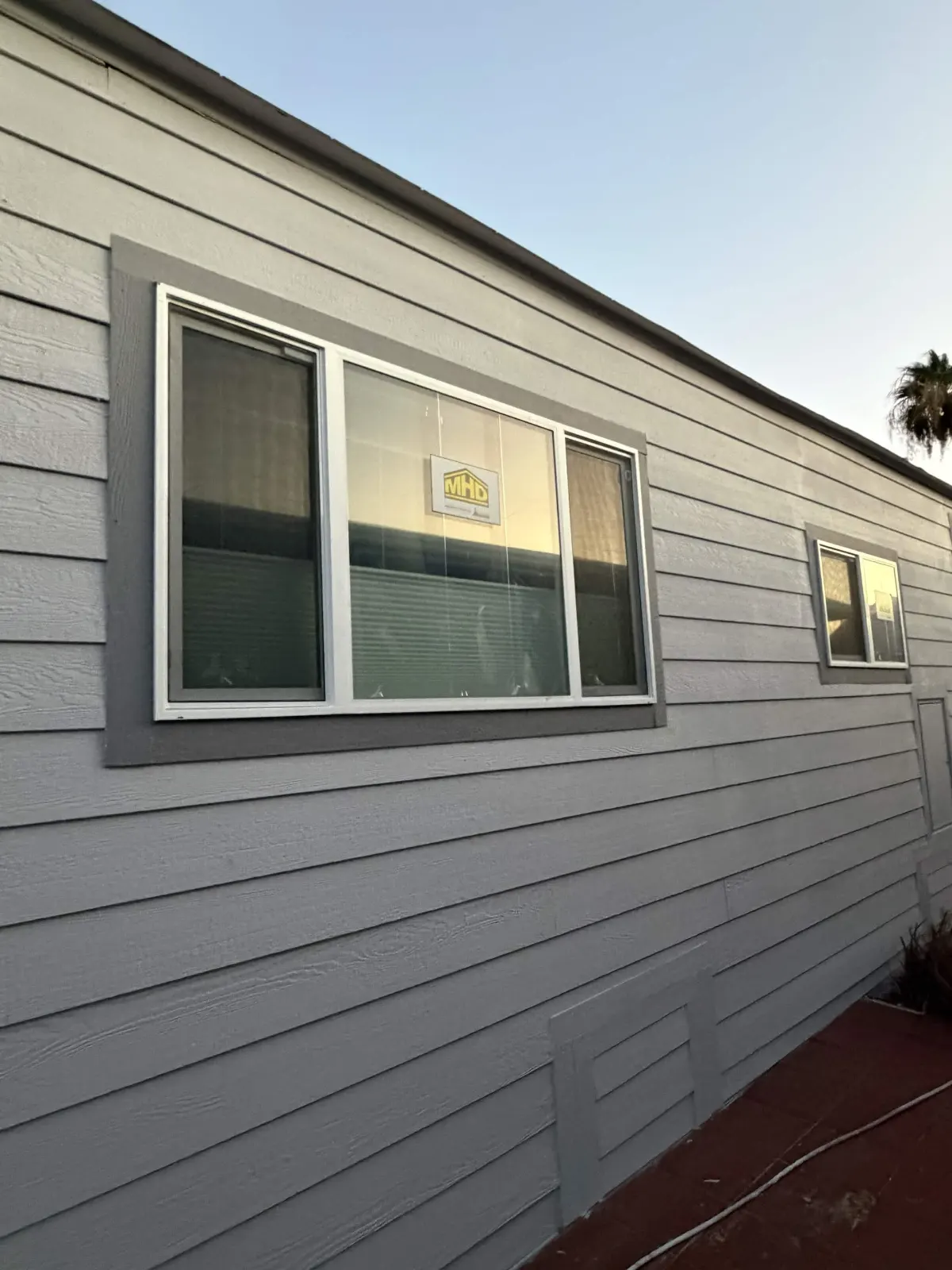
Once the walls are clean, every defect is easier to see. Hairline stucco cracks get a paintable elastomeric caulk worked into the crack. Wider cracks are opened up, patched with stucco patch and textured to blend. Gaps around window frames, door casings, hose bibs, light fixtures and where stucco meets wood trim get fresh caulk after the old, cracked bead is cut out.
Wood fascia, rafter tails and trim take the worst of the sun. Soft or split boards are replaced rather than painted, because paint will not hold on rotted fiber. One spot to leave alone: the weep screed at the bottom of a stucco wall is designed to let moisture out and should never be caulked shut.
Spot-priming the right surfaces
A topcoat is not a primer, even when the label says paint and primer. Different bare surfaces need different primers, and skipping them is a common reason a repaint peels in patches.
- Bare or patched stucco: a masonry primer that resists alkalinity. We use Sherwin-Williams Loxon here.
- Bare or new wood: an exterior wood primer, and a stain-blocking primer on knotty wood that bleeds.
- Steel railings, gates and door frames: a rust-inhibitive metal primer after loose rust is removed.
- Water stains on soffits or eaves: a stain-blocking primer so the marks do not bleed through.
Masking and protecting the property
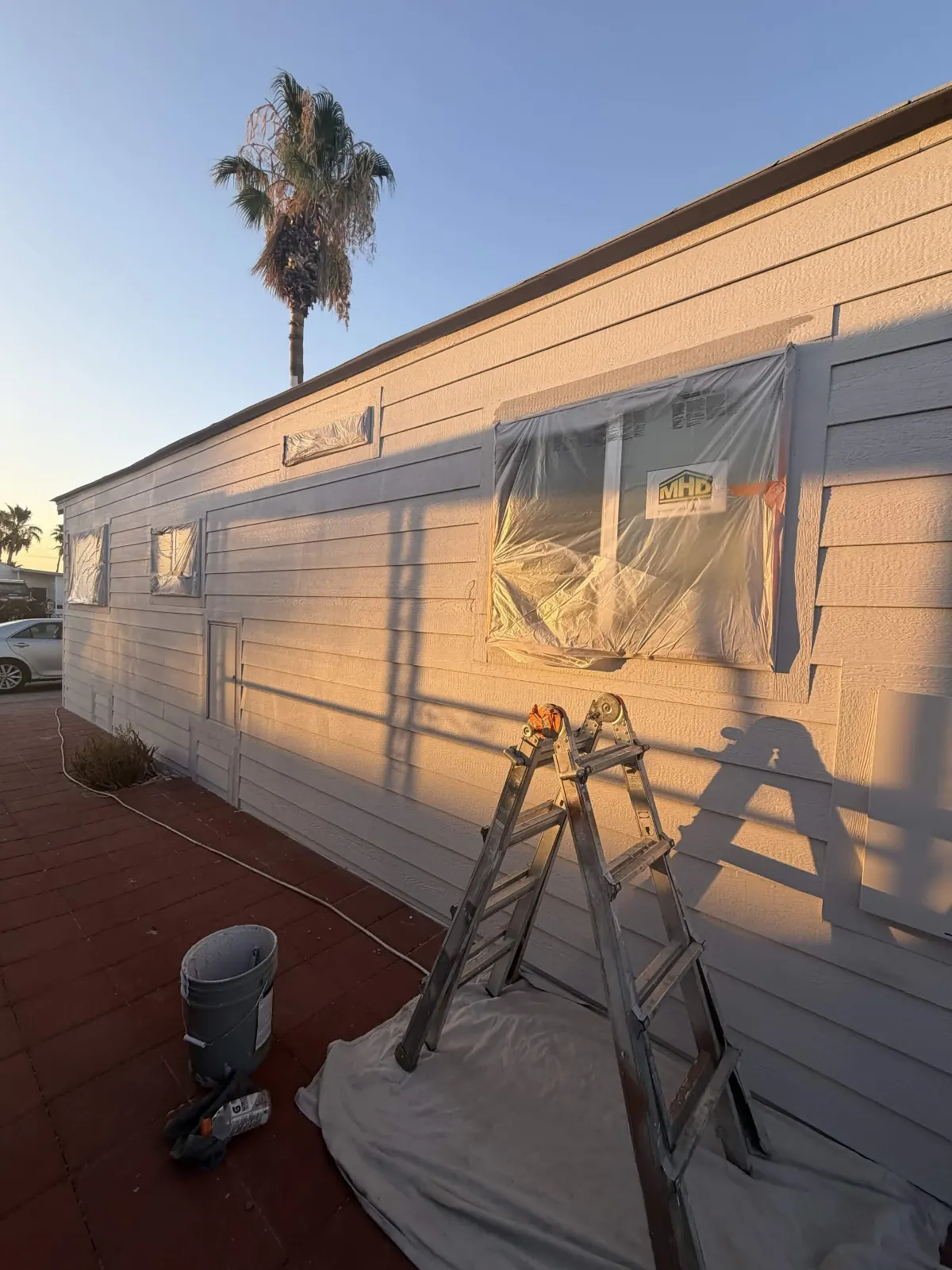
Spraying is fast and leaves a good film on textured stucco, but it needs careful masking. Windows are wrapped in plastic, doors and light fixtures are covered, and drop cloths go down along walkways, patios and gravel. Roof edges get a strip of paper where the fascia meets the tile.
Two Arizona details. Plants covered with plastic can cook in summer sun within a short time, so coverings on landscaping come off as soon as that section is sprayed. The AC condenser can be covered only while spraying nearby and must be uncovered before it runs.
Older homes and lead paint
Most West Valley houses were built well after 1978, but some older homes in the Valley were not. Under the EPA's Renovation, Repair and Painting Rule, anyone paid to disturb painted surfaces in a home built before 1978 must be lead-safe certified and follow lead-safe work practices, unless the paint has been shown not to contain lead. If your house predates 1978, ask any painter about this before scraping or sanding starts.
Timing the prep and the paint
Prep and painting should follow each other closely. Washed walls collect dust again in a windy week, and primed spots should get their topcoat within the window on the primer's label.
Temperature matters as well. Dunn-Edwards advises shading a surface and keeping it below 90 degrees Fahrenheit when repainting after heat blisters, and the same logic applies to any summer job: work follows the shade around the house, starting early in the day. During monsoon season, a wet afternoon can push the next step back a day.
How prep fits into an Orange Coatings exterior
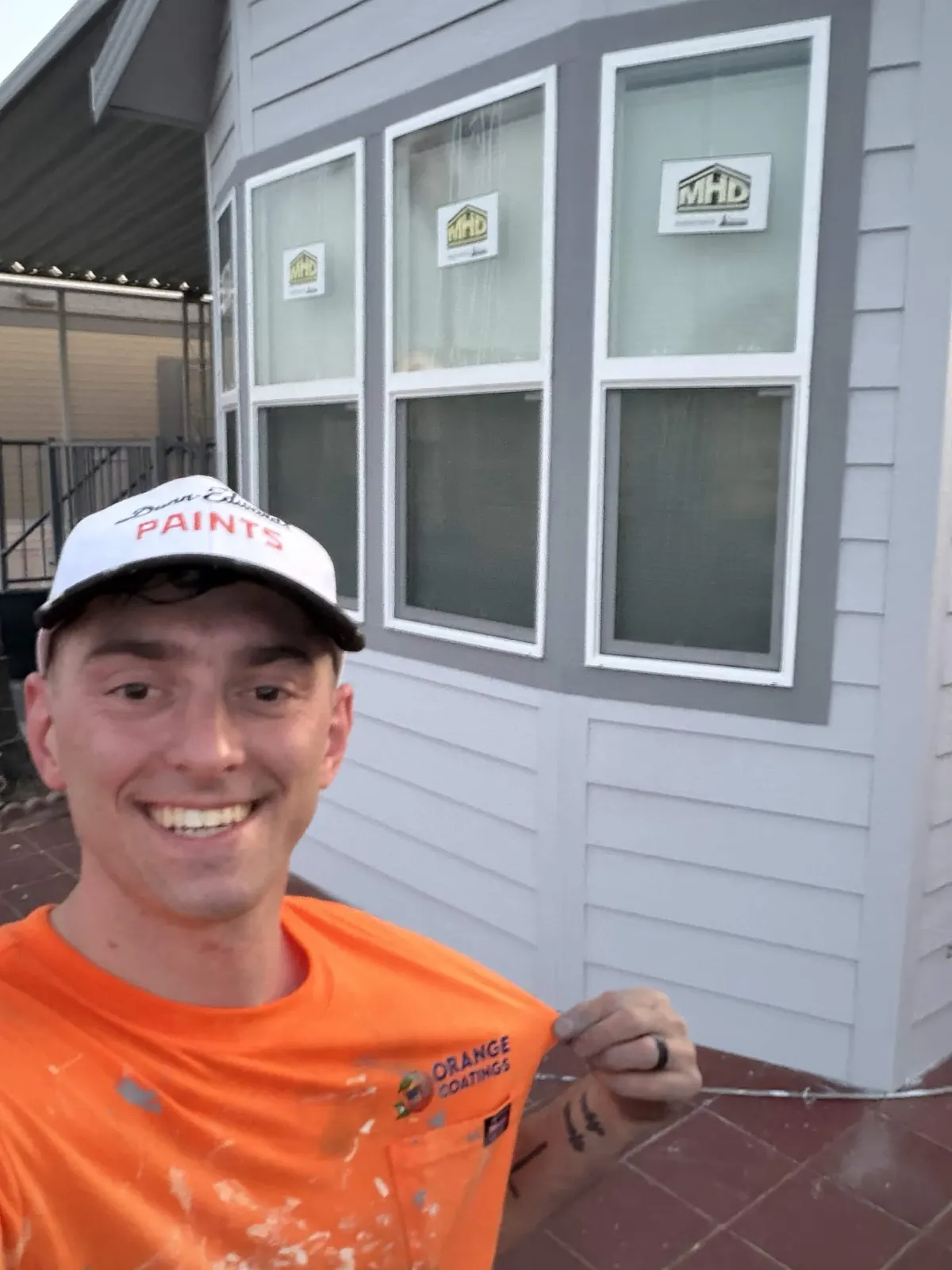
At the same-day estimate, Noah or one of our estimators walks every elevation and notes cracks, chalk, wood damage and bare spots, so the written quote covers the prep, not just the paint. On the job, the order above is the order we work in, followed by two coats of Sherwin-Williams Emerald Exterior sprayed and back-rolled on the stucco. The final walkthrough includes a look at the prep areas, such as caulked joints and patches, once they are painted.
Frequently asked questions
- Should I pressure wash my house myself before the painters come?
- Usually not. The painter should control washing so the walls dry on their schedule and nothing gets damaged by too much pressure. Ask whether washing is included in the estimate; it should be.
- How long should stucco dry after washing before painting?
- At least a full day in warm, dry weather, and longer after a cool night, rain or heavy watering nearby. Stucco that feels dry on the surface can still hold water inside.
- Do I need to be home while the house is being prepped?
- Not for most of it, as long as gates are open, pets are inside and sprinklers are off. Be available by phone in case the crew finds damaged wood or another repair that needs a decision.
- What happens to my plants and gravel during prep?
- Plants near the wall are trimmed back and covered briefly while that section is sprayed, then uncovered. Drop cloths over gravel and pavers catch drips and keep overspray off them.
- Can prep be skipped on a newer house with paint that still looks fine?
- The work is lighter, but washing, caulking and a check for chalk still apply. Even a newer house in the Arizona sun builds up dust and chalk that new paint will not bond through.
- Why do some painters charge more for the same house?
- Prep is usually the difference. Ask each painter to list the washing, crack repair, caulking, priming and masking steps in writing so you can compare like for like.