How to Prepare for Custom Home Painting in Surprise
Preparing for custom home painting means clearing rooms, protecting floors, confirming colors and finishes in writing, and handling basic cleaning and outdoor access. Heavy prep like sanding and priming belongs to your crew.
Published
Part of our Custom Home Painting service.
Lock in Your Colors and Finishes Before Work Starts
Custom home painting gives you more choices than a standard repaint, and those choices affect prep. Decide on wall colors, ceiling finish, and trim before the crew shows up. A two-coat system in a deep saturated color behaves differently than a flat neutral, and a semi-gloss trim needs cleaner surfaces than an eggshell finish. Orange Coatings in Surprise wrote this guide on how to prepare for custom home painting in Surprise.
Ask for color samples on the actual wall, not just chips. Arizona light is intense, and a shade that looks right in a showroom can shift in a Surprise living room with west-facing windows. Confirm everything in writing, including sheen per surface, so there are no day-one surprises.
Clear the Rooms of Furniture and Wall Decor
Move small furniture out of every room being painted. Large pieces can stay, but pull them toward the center so painters can work a full brush-and-roll stroke along each wall without stopping. Take down mirrors, art, curtains, and curtain rods.
Empty closet floors if closets are in scope, and remove outlet covers where you feel comfortable doing it. Your crew will handle masking and containment with plastic and tape, but starting with clear rooms cuts hours off setup and keeps dust off belongings you care about.
Protect Flooring You Cannot Move
Wood floors, tile, and new carpet deserve real protection. Painters lay drop cloths and rosin paper, but you can help by rolling up area rugs and storing them in a garage or spare room. Under-rug pads trap spilled paint against the floor if a rug gets moved mid-job.
If your home has delicate stone or wide-plank hardwood, point it out during the walkthrough. A crew doing full surface preparation will be moving ladders and equipment all day, and knowing which floors need extra care lets them stage materials on hard surfaces instead.
Handle Small Repairs You Want Painted Over
Paint shows off surface flaws, it does not hide them. Walk each room and note nail holes, dents, cracks in drywall, and loose caulked seams around trim and baseboards. Your painter can patch and spot-prime with wood filler or joint compound, but deciding what gets repaired is your call.
Mark trouble spots with low-tack tape or add them to a written punch list. Repairs change the schedule, so flag them early. A wall that needs filling and scuff sanding takes longer to finish than one that just needs cleaning and two coats.
Give Walls a Basic Cleaning, Not a Repainting Prep
In kitchens and around switch plates, walls collect grease and grime that resist paint. A light wash with mild detergent helps. Heavy-duty cleaning like TSP washing is better left to the crew, because over-wetting drywall or leaving residue can cause adhesion problems later.
Dust baseboards, ceiling fans, and window sills in the rooms being painted. In Surprise, dust is a year-round fact of life, and fine grit on a sill ends up dragged through wet paint. A quick vacuum and damp wipe the day before the job makes a visible difference in the finish.
Plan Around Pets, Kids, and Daily Routines
Wet paint, open doors, and moving ladders do not mix with toddlers or curious pets. Arrange for pets to stay with a friend or in a gated room far from the work. Let the crew know your household's schedule, including naps, remote-work calls, and school pickups.
Low-VOC coatings reduce odor, which helps if someone in the house is sensitive, but rooms still need drying time before regular use. Ask which spaces will be done first so you can plan meals and sleeping arrangements. Good crews sequence work to keep at least one bathroom and path through the house usable.
Confirm Outdoor Access for Exterior Work
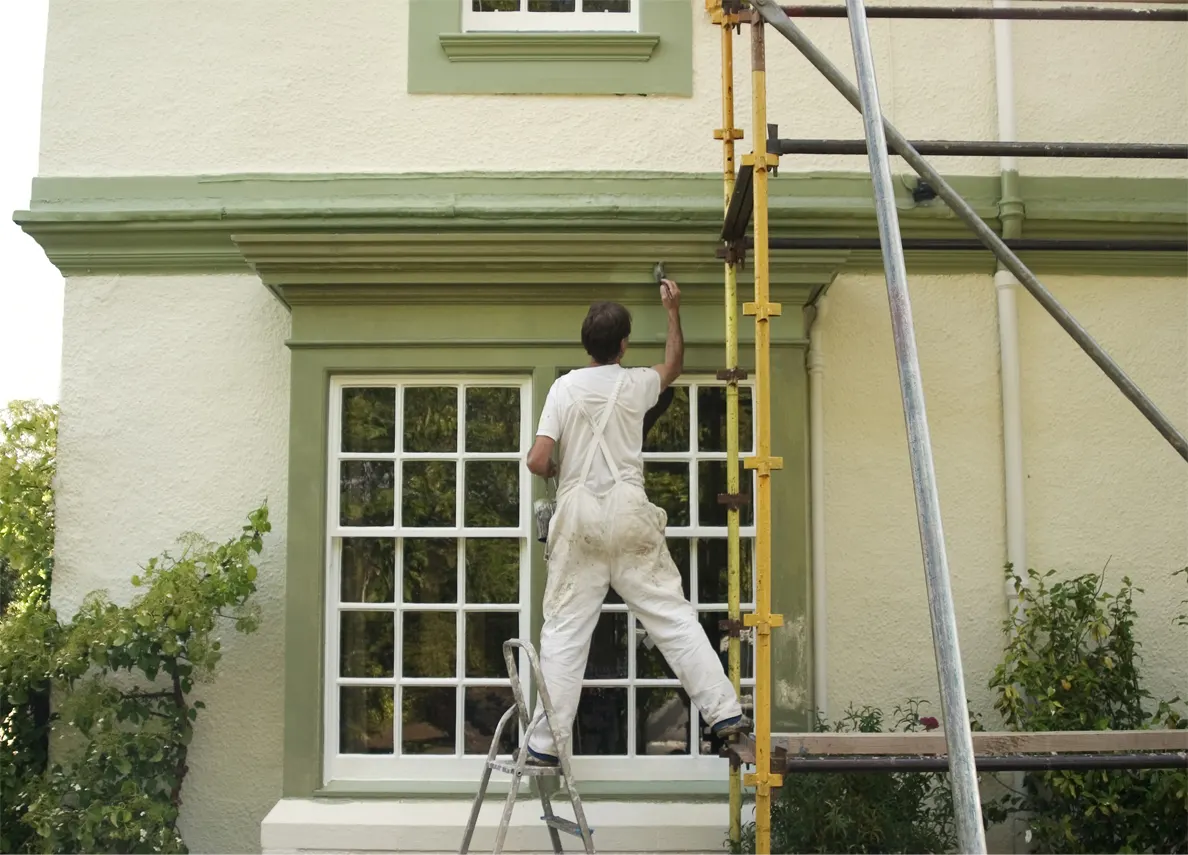
Exterior custom painting needs clear access to every wall. Trim shrubs back from the house, move vehicles out of the driveway, and disconnect hoses near hose bibs. If you have stucco, the crew will likely do pressure washing and scraping and feathering of loose spots before any primer goes on.
Point out irrigation heads near walls, fragile landscaping, and gates that need a code or key. Houses in Surprise often sit on desert lots with rock ground cover, which is easy on landscaping, but pool equipment and patio furniture near the pool deck should be moved or flagged for protection.
Know the Lead Rules for Older Homes
If your Surprise-area home was built before 1978 and you are paying for any work that disturbs paint, federal rules require a certified lead-safe contractor. That matters during prep more than during painting, because sanding and scraping old paint is where dust exposure happens.
Ask any contractor you consider whether they follow lead-safe RRP practices, including containment and specialized cleanup. A custom repaint on an older home is absolutely still doable. It just means the prep phase includes testing, containment barriers, and careful disposal, and the schedule should reflect that from the start.
Do a Final Walkthrough with Your Painter
A day or two before work begins, walk the project with your painter. Confirm the scope room by room, the colors and sheens, the repair list, and where equipment and materials will be staged. This is the time to ask about recoat time and how many days each phase takes.
For a full custom project, this walkthrough ties together everything above and hands the crew a clean start. If you are still choosing a contractor, review our custom home painting service to see how the process works from consultation to final walkthrough, then call the number on our site with your questions.
Sources
- [1] epa.gov
Ready to move forward? See our Custom Home Painting service
Written by the Orange Coatings team.
How to Prepare for Custom Home Painting in Surprise FAQs
How far in advance should I prepare my home for custom painting?
Start one to two weeks ahead. That gives you time to finalize colors, arrange furniture storage and pet plans, and flag repairs during a walkthrough. The day before, clear rooms of small items and wall decor. Your painting crew handles the rest, including cleaning, sanding, priming, and masking.
Do I need to clean the walls before painters arrive?
A light dusting and wiping of greasy spots in kitchens is helpful, but deep cleaning is the crew's job. Professional surface preparation may include TSP washing or scuff sanding depending on the surface, and over-cleaning drywall yourself can leave residue that interferes with paint adhesion.
Should I move furniture or does the painting crew handle it?
Move small items, valuables, electronics, and anything fragile yourself. Painters typically shift large pieces to the center of the room and cover them, but every contractor is different. Confirm the arrangement during your walkthrough so setup goes smoothly and nothing gets damaged.
What happens if the painters find damage after starting?
Crews find surprises regularly, from drywall cracks behind picture frames to loose stucco. A professional crew stops, documents the issue, and talks it through with you before proceeding. That is why flagging known repairs during the pre-work walkthrough matters: it prevents mid-project delays and keeps the schedule predictable.
Still have questions? Contact Us