Guide · Interior painting
How Long Does Interior Paint Take to Cure?
By the Orange Coatings team · Published
Interior latex and acrylic paint is dry to the touch in about one to two hours, but it takes roughly two to three weeks to cure fully, according to Sherwin-Williams; Dunn-Edwards gives a range of 14 to 30 days for latex. Until then the walls look finished but the film is still soft, so you can live in the room right away while holding off on scrubbing, taping and pushing furniture against the walls.
Dark colors, glossy sheens, thick coats, cool rooms and humid air all stretch that timeline. Below is the difference between dry, recoat and cure, what to expect room by room, and how to help paint cure properly.
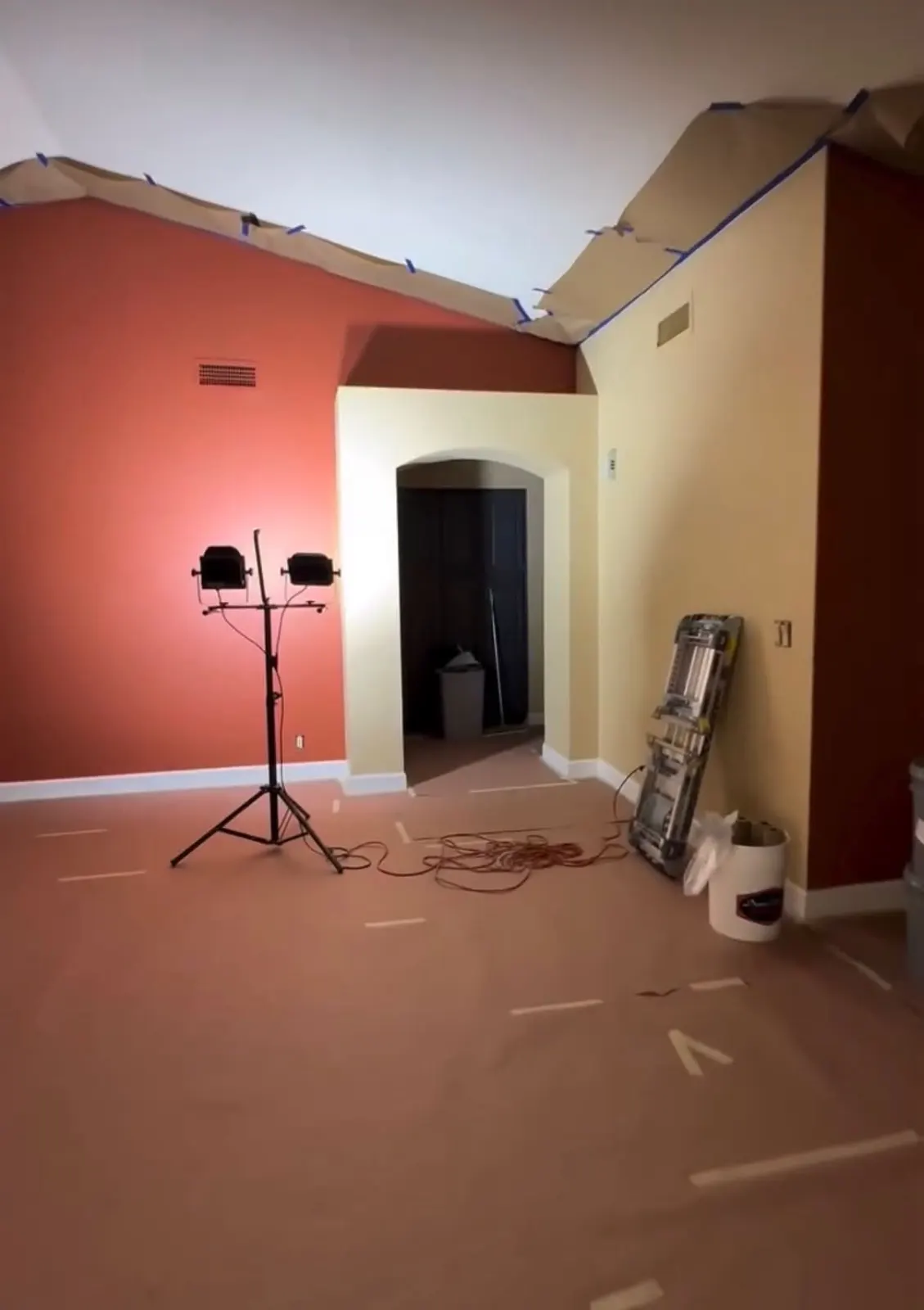
Dry, recoat and cure are three different points
Latex cures by coalescence: as the water leaves, the tiny particles of resin fuse into a continuous film, and some binders keep cross-linking for days or weeks after. That is why fresh paint can feel dry and still mark easily.
- Dry to the touch: the surface no longer feels wet. For latex this is typically one to two hours.
- Recoat time: the first coat is firm enough to take a second coat without dragging. Dunn-Edwards puts this at two to four hours for latex; the label on your product is the final word.
- Cured: the film has reached its full hardness, washability and stain resistance. This is the long one, measured in weeks.
Typical timelines by paint type
Product labels and data sheets give the most accurate numbers for the exact paint on your walls.
- Latex and acrylic: dry in 1 to 2 hours, cure in 2 to 3 weeks (Sherwin-Williams), or 14 to 30 days (Dunn-Edwards).
- Oil-based: dry in 6 to 8 hours and cure in 5 to 15 days (Sherwin-Williams). Dunn-Edwards notes that oil finishes keep hardening over time after the initial cure.
- Dark and deep colors: longer than the same paint in a light color.
- Semi-gloss and gloss: longer than flat or eggshell in the same product line.
What slows curing
Dunn-Edwards lists the main factors: temperature, humidity, color, sheen, film thickness and ventilation. Cool rooms make paint thicken and evaporate slowly. Humid air holds back the water leaving the film. Deep colors carry a heavy load of colorant, and additives in colorants slow the cure further. Higher-gloss coatings take longer to cure than lower sheens, thick coats take longer than thin ones, and a closed room with no air movement keeps its own humidity high as the paint gives off water.
In Arizona most of the year the air is dry, which speeds drying. The exceptions are monsoon weeks, when indoor humidity rises, and summer, when the house is sealed up with the AC running and little fresh air moving through the painted room.
What you can do in a freshly painted room
- Same day: walk in, use the room and turn on the lights. Keep pets from brushing the walls.
- After a day: move furniture back, leaving a few inches of space from the walls.
- After a few days: rehang artwork and mirrors; holding off longer protects the paint behind frames.
- After the cure period: wash walls, apply painter's tape for other projects and let furniture touch the walls again.
- Bathrooms: keep steam and splashing to a minimum for the first days and run the exhaust fan when you shower.
Doors, trim and cabinets need the most patience
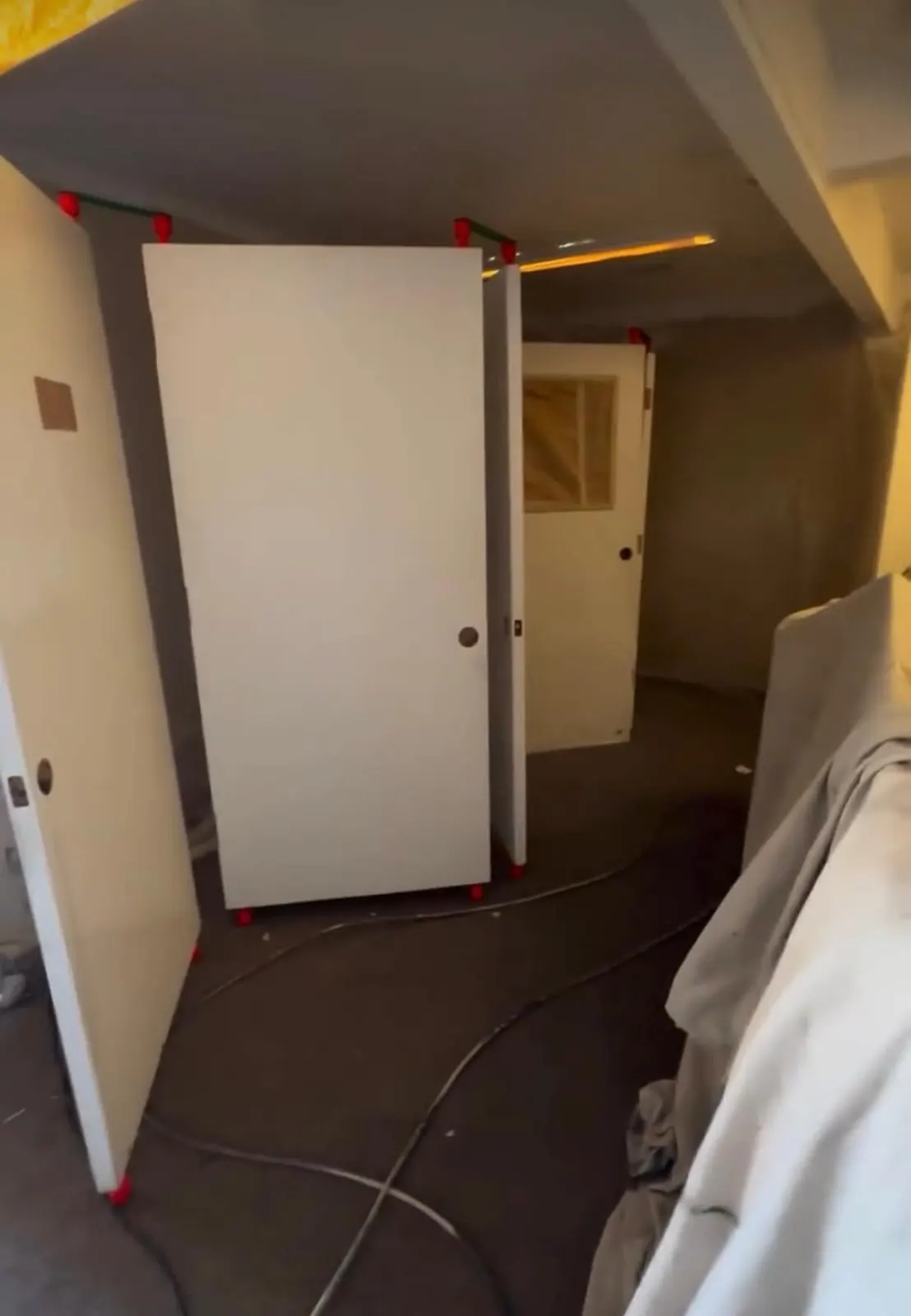
Surfaces that touch each other are where uncured paint shows trouble. A freshly painted door can stick to its stop or weatherstripping and peel when opened, which painters call blocking. Cabinet doors stacked or closed too soon can bond to the frames, and shelves loaded with dishes can leave rings in the finish.
Leave interior doors slightly open for the first day or two, close cabinet doors gently and keep heavy items off painted shelves until the finish has hardened. Semi-gloss enamels on trim and doors are the slowest to reach full hardness, so these surfaces need the longest gentle period.
Helping paint cure properly
- Keep the room at a comfortable living temperature; avoid letting it get cold overnight.
- Move air with a fan aimed indirectly across the room rather than straight at the wall, as Sherwin-Williams suggests.
- Run a dehumidifier or the AC during humid monsoon weeks.
- Do not use space heaters or heat guns to rush it; Sherwin-Williams advises against heat because it can affect the final color.
- Apply thin, even coats and respect the recoat time rather than stacking a heavy second coat early.
Signs paint has not cured yet
If you notice these after the expected cure time, look at the conditions: a cold, humid or unventilated room is the usual reason.
- A slight tack when you press a fingertip on the wall
- Fingerprints or fabric texture left behind after something leans on it
- Doors or windows that stick at the painted edges
- Marks that smear instead of wiping off with a damp cloth
How we plan rooms around cure time
Our interior work uses Sherwin-Williams Emerald Interior, a washable low-VOC finish. When a whole-house interior is being scheduled, talk with us about the order of rooms so you keep somewhere to sleep and cook, and at the final walkthrough we go over what is safe to do in each room and when. Touch-ups found during the walkthrough are handled on the spot.
Frequently asked questions
- When can I wash newly painted walls?
- Wait until the paint has cured, about two to three weeks for most latex. Before that, blot marks gently with a damp cloth instead of scrubbing.
- Can I sleep in a freshly painted bedroom?
- Once the paint is dry and the room has been ventilated, many people do the same night, especially with low-VOC paint. Sensitive sleepers may prefer to wait a night and keep the window or a fan going.
- Why does my new paint feel tacky after a week?
- Slow curing is usually caused by humidity, cool temperatures, a dark color or a glossy sheen. Improve air movement and keep the room warm, and the tack normally fades.
- When can I put tape on freshly painted walls?
- Wait until the paint is fully cured. Tape applied too soon can pull the new film off when it is removed.
- Does paint cure faster in Arizona's dry air?
- It dries faster, which helps. Full curing still takes weeks, and a closed-up house in summer or a humid monsoon stretch can slow it.
- How long before I can put furniture back against the walls?
- Furniture can return to the room after a day, but leave a gap from the walls until the paint has cured to avoid marks and sticking.