Guide · Interior painting
Flat vs Eggshell vs Satin: Picking Interior Sheens
By the Orange Coatings team · Published
Use flat on ceilings and low-traffic rooms where hiding wall flaws matters most, eggshell on most living rooms and bedrooms, and satin where walls get touched, bumped and wiped: hallways, kids' rooms, family rooms, kitchens and baths. Trim and doors usually go a step glossier, in satin or semi-gloss.
That is the rule of thumb. The right call for your house also depends on wall texture, how much sun comes through the windows and how often you plan to scrub, so here is how each sheen behaves.
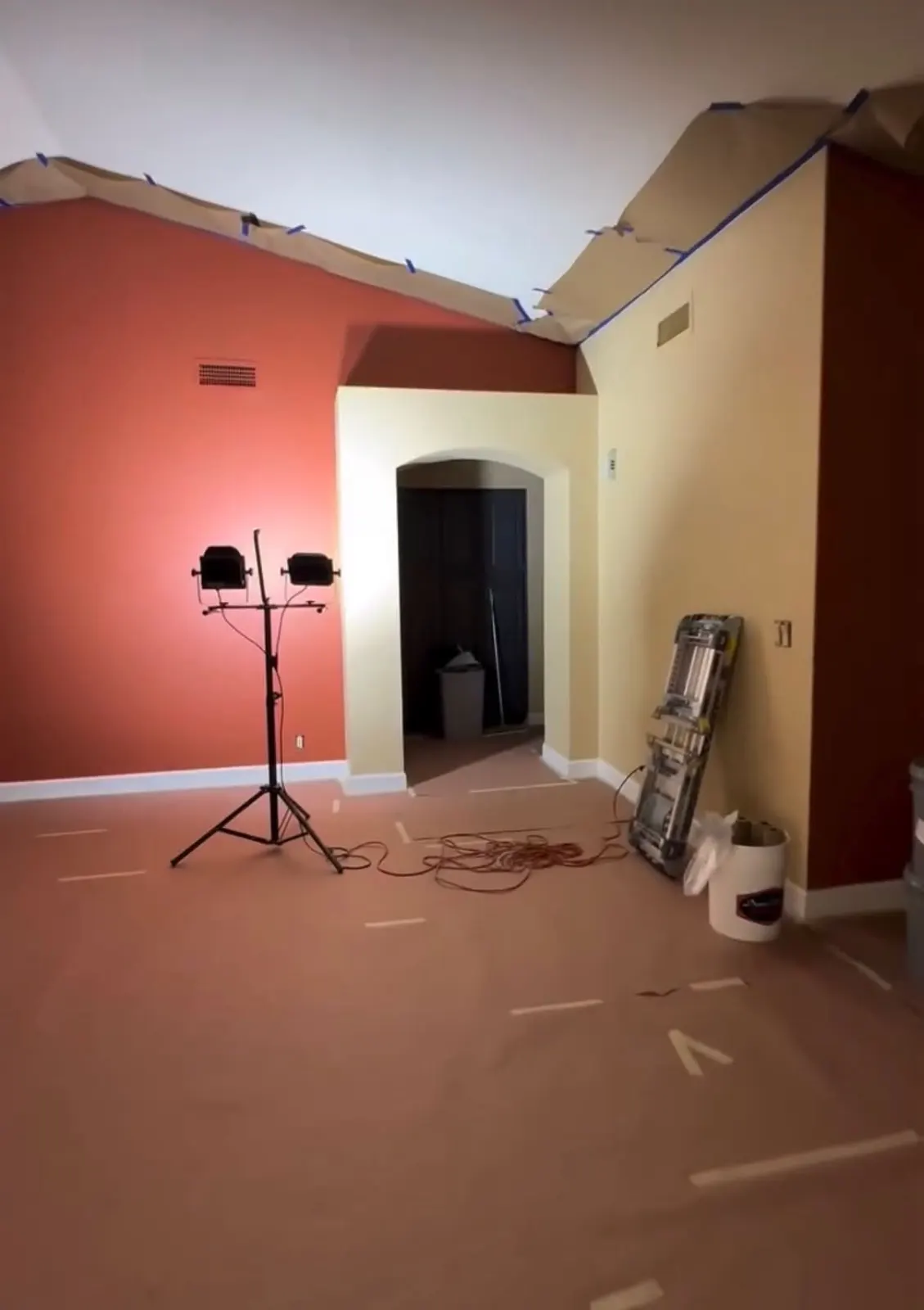
Quick picks by room
- Ceilings: flat
- Formal living and dining rooms: flat, matte or eggshell
- Primary bedroom: eggshell or matte
- Family room and great room: eggshell or satin
- Hallways, stairways and entries: satin
- Kids' rooms and playrooms: satin
- Kitchen and bathroom walls: satin, or semi-gloss in a steamy bath
- Trim, doors and baseboards: semi-gloss or satin
What sheen actually changes
Sheen is how much light the dried paint reflects. A flat film has a rougher microscopic surface that scatters light, so it looks soft and hides bumps. As sheen goes up, the surface gets smoother and tighter, which makes it easier to wipe and harder for stains to soak in, but it also reflects light off every dent and patch.
So every step up the sheen scale trades some hiding power for some washability. There is no best sheen, only the best one for each surface.
Sheen names are also not standardized between brands. One company's eggshell can be shinier than another's satin, and even product lines from the same maker differ a little. Choose from a painted sample of the actual product, not from the name on the label, and keep the whole house in one product line so the sheens stay consistent room to room.
Flat: best at hiding, weakest at cleaning
Flat paint has almost no shine, so it hides drywall seams, patches and uneven texture better than anything else. Sherwin-Williams lists it for ceilings, adult bedrooms, formal living rooms and uneven walls, and notes it is more prone to scuffs and stains. It also touches up the most invisibly, which is why builders like it.
The downside is maintenance. Scrubbing a mark off flat paint often leaves a shiny or lighter patch. Keep it to ceilings and rooms where walls rarely get touched.
Matte: the in-between many people miss
Matte has a slight sheen above flat. Premium lines have made matte far more washable than it used to be, and Sherwin-Williams' sheen guide describes matte walls as smooth and washable and a strong choice for hiding imperfections. For owners who like the soft, low-glare look of flat but have kids or pets, a washable matte is worth a look in living and dining rooms.
Eggshell: the everyday wall finish
Eggshell has a low, soft glow, close to the shell it is named for. It wipes clean of most fingerprints and light marks while still looking calm on a large wall. It is the default for most bedrooms and living spaces, and it is our usual suggestion for walls in busy homes where flat would wear too fast.
Eggshell shows a little more texture and patching than flat, so wall prep matters more. Large patches should be primed and feathered well before an eggshell finish goes on.
Satin: for walls that take a beating
Satin has a noticeable, pearly sheen and the most scrub resistance of the three. Sherwin-Williams recommends it for hallways, family rooms, kids' bedrooms and baths. It stands up to backpacks, dog tails and repeated wiping.
Its weakness is that it shows everything underneath: roller marks if the paint is not applied evenly, patches that were not primed, and the texture of the drywall. It also flashes when touched up, so plan on painting a satin wall corner to corner when it needs work.
How Arizona light and wall texture change the choice
Many West Valley homes have knockdown or orange-peel drywall texture, big windows and strong low-angle sun in the morning and late afternoon. Light skimming across a textured wall exaggerates any sheen. A satin wall next to a west-facing slider can look streaky at 5 p.m. even when it was painted well.
In bright great rooms with lots of glass, eggshell or a washable matte usually looks better than satin. Save satin for hallways and rooms with less raking light. Look at samples at the time of day you use the room, not just at noon.
Trim, doors and cabinets
Trim, doors and baseboards get kicked, grabbed and wiped more than any wall, so they usually get semi-gloss or satin. The contrast between an eggshell wall and semi-gloss trim also makes the trim lines look crisp. Cabinets are their own category and need a hard, durable enamel.
We paint interiors with Sherwin-Williams Emerald Interior, a washable low-VOC finish, and walk through sheen choices with you room by room at the estimate.
Frequently asked questions
- Is eggshell or satin better for a living room?
- Eggshell suits most living rooms because it looks soft and still wipes clean. Choose satin only if the room sees heavy traffic, and check how it looks in the room's afternoon light first.
- Can I use flat paint in a bathroom?
- It is not a good fit. Bathrooms see moisture and frequent wiping, so satin or semi-gloss handles them much better than flat.
- Why does my touch-up look shiny?
- That is flashing, which happens when fresh paint dries with a slightly different sheen than the aged wall around it. It is most visible on eggshell and satin, which is why those walls are often repainted end to end.
- Should walls and ceilings be the same sheen?
- Usually not. Ceilings look best in flat because it hides surface flaws and reduces glare from lights, while walls benefit from a washable sheen.
- Does a higher sheen make a color look different?
- Yes, a bit. Higher sheens reflect more light, so the same color can look slightly lighter and more saturated in satin than in flat.
- What sheen hides wall imperfections best?
- Flat hides them best, followed by matte. If your walls have visible patches or uneven texture, avoid satin and higher on those walls.