Epoxy flooring · Warehouses and shops
Warehouse Floor Coatings in Surprise and the West Valley
Published
We coat warehouse, shop and light industrial floors with Sherwin-Williams commercial epoxy systems over concrete that has been cleaned, degreased, repaired and profiled. A coated floor stops concrete dust, makes spills easy to clean up, brightens the building and can add grip where floors get wet or oily.
Prep is the whole job on a commercial slab. Forklift wheels, pallet jacks and dragged loads find every weak spot, so we repair cracks and spalled joints, test older slabs for moisture and profile the surface before any coating goes down.
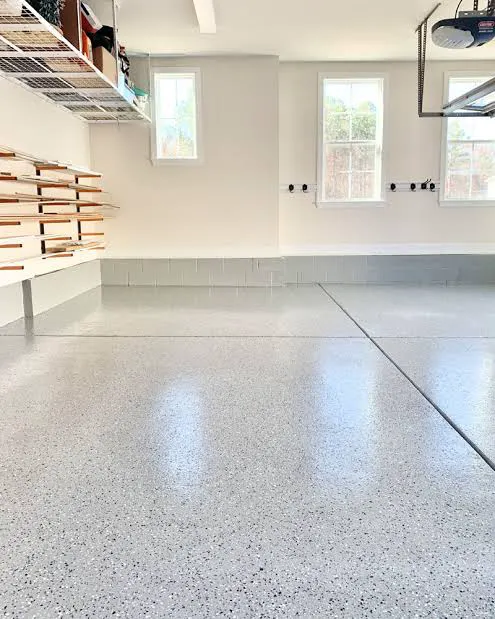
| System | Sherwin-Williams commercial epoxy floor systems |
|---|---|
| Prep | Degrease, repair cracks and joints, profile, moisture check |
| Options | Color, clear topcoat, anti-slip additive |
| Scheduling | Phased sections or shutdown windows |
What a warehouse floor coating includes
- Walkthrough of the building, traffic patterns and what gets stored or spilled
- Degreasing and removal of oil, tire marks and old floor paint
- Repair of cracks, spalled control joints and impact damage
- Surface profiling so the coating bonds mechanically to the concrete
- Moisture check on older slabs and slabs without a vapor barrier
- Epoxy coats in your chosen color, with a clear topcoat if specified
- Anti-slip additive in wet areas, loading zones and ramps
Who needs a coated warehouse floor
Distribution and storage operations want floors that do not shed dust onto product and that clean up quickly. Contractors' shops, fabrication spaces and mechanic bays need resistance to oil, fluids and dropped tools. Building owners coat floors between tenants to make a space easier to lease.
Smaller spaces count too: a business owner's storage unit, a garage-style service bay or a back room behind a storefront often gets the same system on a smaller scale.
Signs your concrete needs a coating
- Gray dust on shelving and product even after sweeping
- Dark oil and fluid stains that soak in and spread
- Spalled or crumbling joints that catch pallet jack wheels
- Old floor paint peeling in traffic lanes
- A dim, gray floor that makes the building feel darker
- Slip complaints where water or oil reaches the floor
- Tire marks and scuffs from forklifts that no amount of scrubbing removes
Our installation process
- Walk the site, look at traffic and spill risks and test older slab sections for moisture.
- Agree on phases or a shutdown window and where racking or stock will move.
- Clear the area, degrease and remove failing coatings.
- Profile the concrete, then repair cracks, joints and damaged spots.
- Vacuum thoroughly and apply primer where the system calls for it.
- Apply epoxy coats and any topcoat, adding anti-slip additive in the zones you chose.
- Hold traffic off until the product's cure time allows, then walk the floor with you.
Heat, dust and moisture in Arizona buildings
Many warehouses in the West Valley are not air-conditioned on the floor, and summer interior temperatures can climb past what an epoxy product allows. We schedule coating for the cooler hours, check slab and air temperature against the label, and sometimes plan large floors for spring or fall.
Big roll-up doors let in desert dust, which ruins a wet coat. Doors stay closed while coating cures. Slabs poured without a vapor barrier can push moisture up after monsoon rains, and that moisture is one of the main reasons coatings blister and lift, so testing comes before coating.
Keeping the building running
Few businesses can close the whole floor. We usually split the building into sections and coat one while the rest keeps working, moving racking and stock in stages. Weekend and holiday shutdowns work well for smaller floors.
Forklifts and heavy loads need the coating to reach a fuller cure than foot traffic does. We give you a clear date for foot traffic, light carts and forklifts based on the product and the temperature that week, so you can plan receiving and shipping around it.
Color choice matters more than people expect. A light gray floor reflects the overhead lighting and makes aisles noticeably brighter, while a darker gray hides tire marks better in busy lanes. Some owners use one color in storage areas and another in work or walkway zones so traffic patterns are easy to read.
Timeline and price factors
A small shop or bay can be done in a few days. Larger floors run in phases, with each section needing prep days, coating days and cure time. Your written quote spells out the phases.
- Total square footage and number of phases
- Condition of the slab, joints and cracks
- Removal of old coatings, adhesives or heavy oil saturation
- Moisture test results and any moisture-mitigating primer
- Number of coats, topcoat and anti-slip zones
- Racking and inventory that must be moved
- After-hours or weekend work
Areas we serve
We install commercial floor coatings for businesses in and around:
Photos
Frequently asked questions
- Can a coated warehouse floor take forklift traffic?
- Yes, once it has cured. Forklifts need a longer wait than foot traffic. We give you a forklift date based on the system and that week's temperature. Rushing that date is one of the most common ways a new floor gets marked.
- Do you have to shut down our whole warehouse?
- Usually not. We coat in sections while the rest of the floor stays in use, or use weekends for smaller spaces. The phase plan is part of the written quote.
- How do you treat control joints in forklift lanes?
- Damaged joint edges get repaired so wheels do not chip them. Joints still need to let the slab move, and we talk through how to handle them in your traffic lanes.
- Will epoxy fix a dusty concrete floor?
- Yes. Coating seals the surface so it stops shedding dust. The concrete has to be profiled and cleaned first so the coating bonds instead of sitting on the dust. Once sealed, a dust mop and an auto-scrubber keep it clean.
- Can you coat a floor that already has old paint?
- Loose or peeling paint has to come off. Sound coatings are assessed at the walkthrough, but in traffic lanes they are usually removed so the new system bonds to concrete.
- Is an anti-slip finish worth it in a dry warehouse?
- In dry storage areas a smooth finish is usually fine. Loading docks, wash areas, ramps and spots near doors that get monsoon rain benefit from anti-slip additive.