Epoxy flooring · Metallic finishes
Metallic Epoxy Floors in Surprise and the West Valley
Published
A metallic epoxy floor is a clear or tinted epoxy loaded with fine metallic pigment that is worked while wet, so the color swirls and settles into a marbled, almost liquid-looking surface. No two floors come out the same, which is the whole appeal, and it suits garages, game rooms, home gyms and small showrooms where the floor is meant to be noticed.
It is also the least forgiving epoxy finish there is. The glossy surface shows every bump, crack and dust speck under it, so prep and installation conditions matter even more than they do on a flake floor.
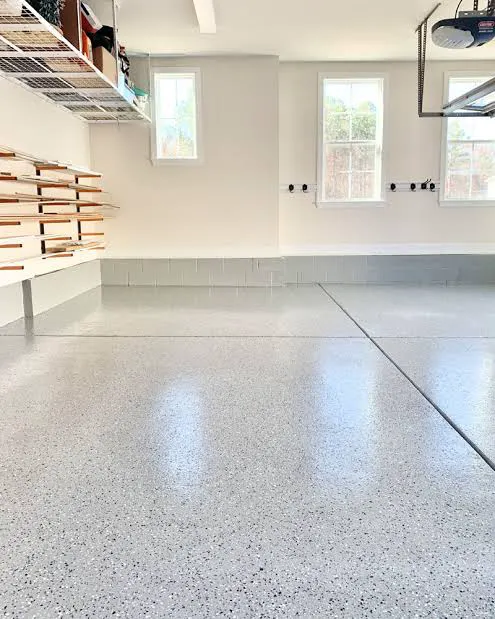
| Look | Glossy, marbled, one-of-a-kind |
|---|---|
| Best for | Show garages, game rooms, gyms, showrooms |
| Prep | Cleaning, degreasing, crack repair, profiling |
| Materials | Sherwin-Williams epoxy floor systems with clear topcoat |
What a metallic epoxy installation includes
- Slab inspection, including a moisture check on older concrete
- Degreasing and oil-stain treatment
- Profiling the concrete so the epoxy can bond mechanically
- Filling cracks, divots and saw cuts you do not want to see through the finish
- A primer or base coat that sets the background tone
- The metallic epoxy layer, worked by hand and with rollers to create movement
- A clear topcoat for wear and scratch resistance, with optional anti-slip additive
Who chooses a metallic floor
Homeowners who treat the garage as an extra room tend to want metallic: a car collection, a golf simulator, a home gym or a man cave with a TV on the wall. It also shows up in finished basements, studios, salons and small retail spaces where the floor is part of the look.
If the garage is a working space with daily parking, tools rolling around and dirt from the yard, a flake floor is usually the more practical pick. The pattern hides wear that a polished metallic surface will show.
Is your floor a good candidate for metallic
Because the finish magnifies what is underneath, we look harder at the slab before recommending it. These are the things that push us toward more repair work, or toward a different system:
- Wide or moving cracks that will likely reappear
- Heavy pitting or spalling near the garage door
- Signs of moisture such as white powder, damp spots or a failed coating that blistered
- Old coatings or sealers that would have to be fully removed
- A garage that cannot be kept closed and dust-free during the work
How we install a metallic floor
- Clean, degrease and profile the concrete, then fill cracks and low spots.
- Vacuum the slab and wipe it down so no dust is left on the surface.
- Apply a primer or base coat in the background tone you chose.
- Mix and pour the metallic epoxy in sections, then roll and work it to create the pattern.
- Keep the space closed while it levels and hardens.
- Apply the clear topcoat, adding anti-slip texture if you asked for it.
- Walk the floor with you and go over cure times before anything rolls on it.
Heat, UV and dust in Arizona
Metallic epoxy needs time to flow, and summer heat steals that time. A garage that sits above 100 degrees by noon can make the material set before the pattern has settled, so metallic work gets scheduled for cooler parts of the day or cooler months, always inside the label limits.
Epoxy can yellow or amber when it sits in direct sun. Areas near an open garage door or under a west-facing window see the most UV, and a clear topcoat helps protect the color. Light desert dust is the other concern: one gust during the pour leaves specks in a glossy surface, so the doors stay shut until it has set.
Picking colors and keeping it safe underfoot
Metallic floors usually combine a base tone with one or two metallic colors: silver over charcoal, copper over brown, pearl over white. Light combinations read bright and roomy and show less dust. Dark combinations look dramatic but show every footprint.
A smooth, glossy floor is slick when wet. In a garage where a car drips rain or pool water, or a gym where sweat lands on the floor, we recommend adding an anti-slip additive to the topcoat. It slightly dulls the mirror effect, which is a trade most people are happy to make.
How long the work takes and what drives the price
Plan on several days for a typical garage, longer than a flake floor because each layer needs a clean, controlled window. Foot traffic and vehicle traffic times depend on the system and temperature, and we give you a schedule at the estimate.
- Size of the space and number of pours needed
- Slab condition and the amount of crack and pit repair
- Removal of an old coating or sealer
- Moisture-mitigating primer if the slab needs one
- Number of metallic colors and complexity of the pattern
- Topcoat choice and anti-slip additive
Areas we serve
Metallic and other epoxy floors are available from our Surprise base to homes and businesses in:
Photos
Frequently asked questions
- Does a metallic epoxy floor work in a regular parking garage?
- It can, but it shows tire marks, grit and scratches more than a flake floor. People who park daily on it usually keep a mop handy. If you want low maintenance, flake is the safer choice.
- Can you match a specific metallic pattern from a photo?
- We can aim for the color combination and general movement in a photo. The pattern itself forms as the material flows, so the exact swirl will always be different. That variation is part of what makes each metallic floor unique.
- Will a metallic floor turn yellow?
- Epoxy can amber over time where it gets direct sunlight. A clear topcoat helps protect it, and areas deep inside a garage or room see little change. Parts near a door or window that gets afternoon sun are the most exposed.
- Is metallic epoxy slippery?
- The smooth gloss is slick when wet, much like polished tile. An anti-slip additive in the topcoat adds grip, and we recommend it anywhere water, oil or sweat will land on the floor.
- Why does metallic need more prep than other floors?
- A glossy, reflective surface highlights anything under it, from a patched crack to a high spot. Extra filling and smoothing before the pour keeps those flaws from showing. Dust control during the pour matters for the same reason.
- Can metallic epoxy go over a floor that was coated before?
- Usually the old coating has to come off. A metallic layer needs clean, profiled concrete and an even base, and a worn coating gives neither. We confirm this when we see the floor.