Guide · Interior color
Interior Colors That Make Rooms Feel Cooler
By the Orange Coatings team · Published
Colors with cool undertones, such as soft blue-grays, pale sea-glass greens and clean whites, make a room feel cooler, especially when they are light enough to reflect plenty of light and are used in a low-glare sheen. They work best in rooms that get hot, warm-toned afternoon sun, which describes a lot of west-facing rooms in the Phoenix area.
Be realistic about what paint does indoors. Wall color changes how a room feels and looks; it will not noticeably change the thermostat reading. Here is how to use color for a cooler-feeling house, and which colors to sample.
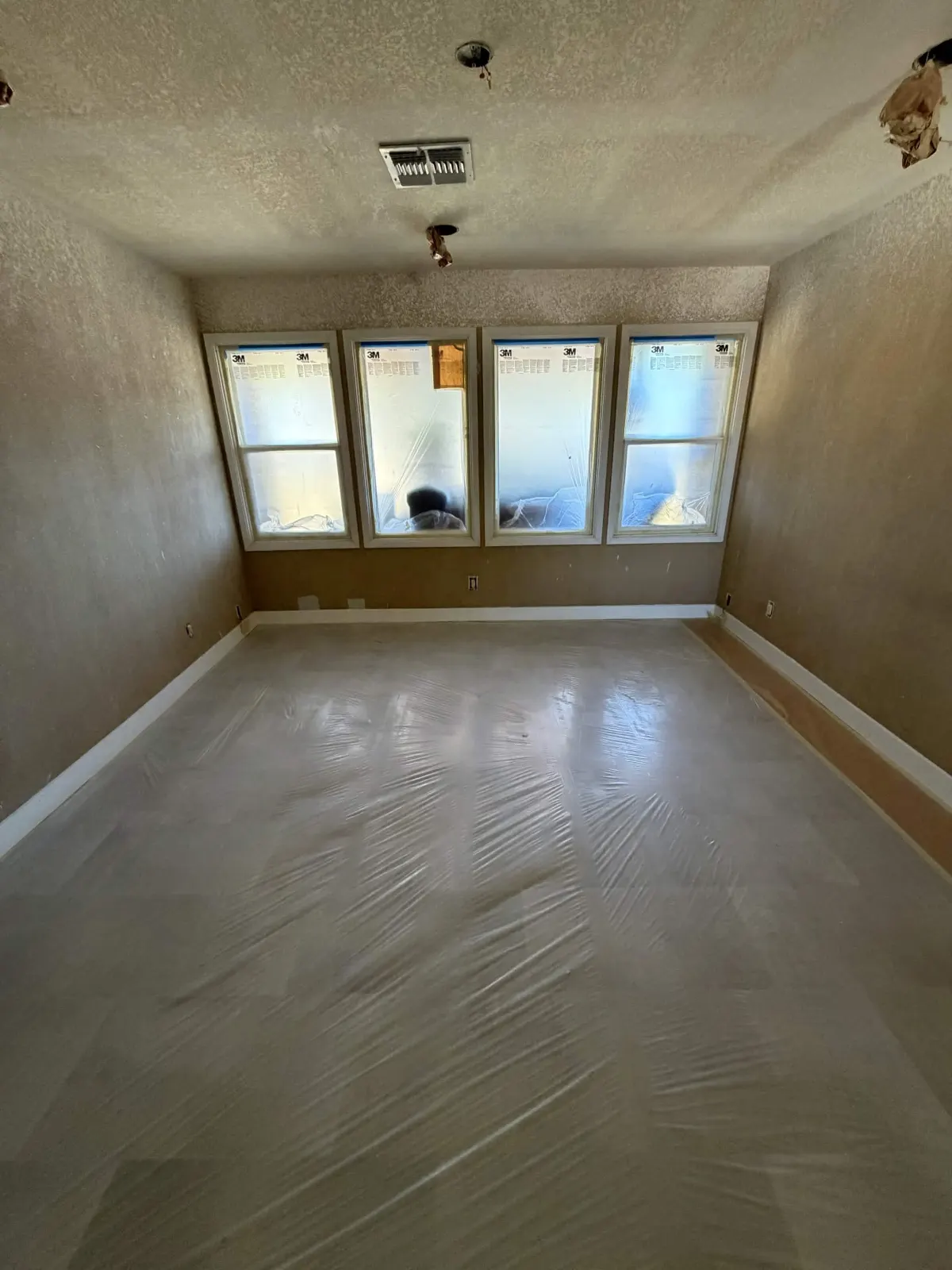
Feeling cooler versus being cooler
Outside, color matters for heat. A dark roof or wall in direct sun absorbs far more energy than a light one. Inside, most walls are not in direct sun for long, so wall color has little effect on air temperature. The insulation, windows, shades and air conditioning decide that.
What color does change is perception. People tend to read blues, greens and blue-grays as cool and calm, and reds, oranges and golds as warm. A room in a soft cool color, with less glare and less visual clutter, simply feels more comfortable on a 110-degree afternoon.
Why cool undertones matter more than the color name
Most colors people put on walls are neutrals, and every neutral leans warm or cool. A gray with a green or blue undertone reads cool; a gray with a beige or pink undertone reads warm. When you compare chips, hold them against a sheet of plain white printer paper. The undertone you see is how the color will lean on your walls.
Strong afternoon sun in the desert is warm and golden, and it pushes colors warmer. A cool-leaning color balances that, while a warm beige in the same room can make it feel hotter and more yellow.
Light, cool colors to sample
These Sherwin-Williams colors lean cool and stay light. LRV, the 0 to 100 measure of how much light a color reflects, is approximate.
- Sea Salt (SW 6204), LRV about 63: a pale green-gray that turns soft blue in shade.
- Silver Strand (SW 7057), LRV about 59: a light gray with a gentle green-blue cast.
- Passive (SW 7064), LRV about 60: a clean, cool gray without much color.
- Comfort Gray (SW 6205), LRV about 54: a muted sage-blue gray, a bit deeper than Sea Salt.
- Nebulous White (SW 7063), LRV about 74: a white with a faint cool gray tint.
- Extra White (SW 7006), LRV about 86: a crisp, bright white for trim and ceilings.
Deeper cool colors for accents
Dark cool colors can make a room feel like a shady retreat, which suits a bedroom or a media room you mostly use at night. Naval (SW 6244) is a deep navy, Indigo Batik (SW 7602) is a dusty blue, and Pewter Green (SW 6208) is a dark gray-green. Use them on one wall, a headboard wall or cabinetry, and keep the rest of the room light so it does not feel closed in.
Match the color to the room's exposure
- West-facing rooms: hot, orange late-day light. Cool colors help most here.
- South-facing rooms: bright most of the day. Light cool colors work, but very bright whites can glare.
- East-facing rooms: warm morning light, cooler afternoons. A balanced, slightly cool neutral is safe.
- North-facing rooms: even, bluish light already. Strongly cool colors can look cold or gloomy, so a neutral with a little warmth is often better.
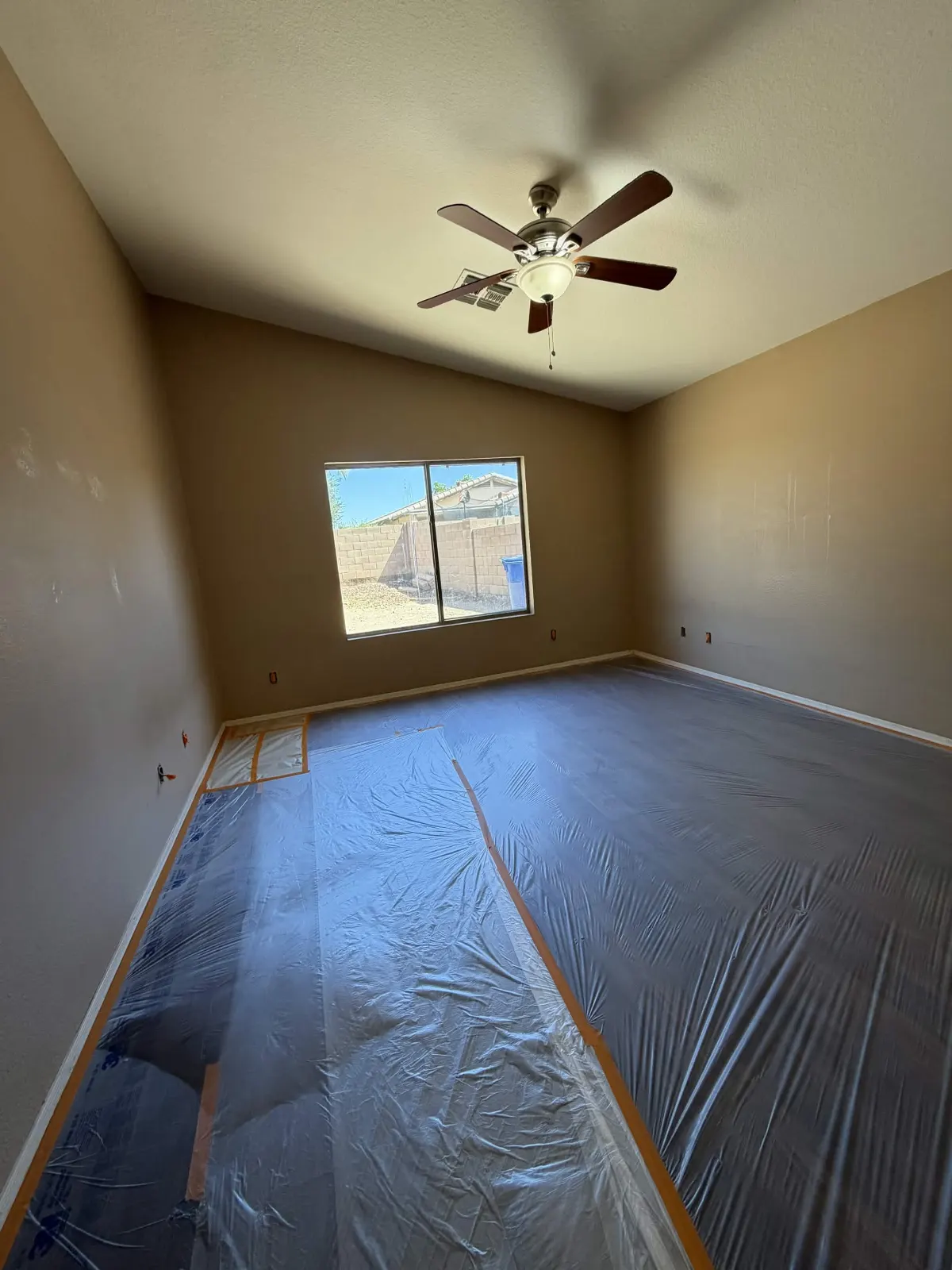
Sheen and glare
Glare makes a sunny room feel hotter. Higher sheens bounce light around in hard reflections, while flat and matte finishes diffuse it. For walls in bright rooms, a matte or eggshell finish keeps the light soft; save satin and semi-gloss for trim, doors and areas that need frequent wiping. Ceilings in flat white reflect light down into the room without hot spots.
A sample cool palette for a sunny great room
To see how this comes together, picture a west-facing great room with beige tile and big windows. A light, cool-leaning wall color like Silver Strand or Sea Salt balances the golden afternoon light without fighting the warm floor. Ceilings and trim in a clean white such as Extra White keep everything crisp. A deeper accent, Comfort Gray or Pewter Green, on a fireplace wall or built-in adds depth without warming the room up.
Keep walls in matte or eggshell to soften glare, and repeat one of the colors in pillows, art or rugs so the scheme looks planned. Before committing, paint big samples of the wall color on the sunniest wall and look at them around five in the afternoon, when the light is at its warmest.
Other ways to make a hot room feel cooler
- Paint the walls a light, cool-leaning color in a low sheen.
- Use white or near-white ceilings to keep the room open and bright without glare.
- Add light-filtering shades or window film on west and south windows; they reduce actual heat gain far more than paint.
- Choose cooler textiles and fewer warm wood tones in the same room.
- Outside, keep sun-facing exterior walls in lighter colors, which does affect how much heat the house absorbs.
Frequently asked questions
- Does painting walls a light color lower my cooling bill?
- Inside the house, the effect on temperature is small. Light colors can reduce how much lighting you need, but window coverings and insulation do far more for cooling costs than interior paint.
- What is the coolest-feeling paint color?
- Light blue-greens and blue-grays usually feel the coolest. Sea Salt and Silver Strand are good starting points to sample on your own walls.
- Will a cool gray look cold in my house?
- It can in a north-facing room or under cool LED bulbs. Test samples at different times of day, and pick a softer, slightly warmer gray if it feels chilly.
- Are white walls the coolest option?
- White reflects the most light, but a bright white in a sunny room can glare and feel harsh. A soft cool white or a pale tinted color is often more comfortable.
- Do cool colors work with warm tile floors?
- Yes, if you choose softer versions. Muted green-grays and blue-grays sit well beside beige tile, while icy, saturated blues tend to clash with it.